Thailand
After the calm pace of Laos, Thailand felt instantly bigger, louder, and far more developed. But unlike some places that overwhelm you right away, Thailand felt easy to enter (maybe not counting navigating through the airport).
Transportation was straightforward, cafés were everywhere, 7-Elevens became part of daily life, and even moving between cities and islands felt smooth most of the time.
By then, I had already been traveling through Asia for a while, and Thailand almost felt like a balance between adventure and comfort.
I started in Bangkok, which wasn’t exactly love at first sight. I stayed at a hostel near Khao San Road because I needed to keep an eye on my budget at that point. One Friday night was genuinely awful in terms of noise and sleep, but the other nights were manageable, and overall it still felt like a good base for exploring the city.
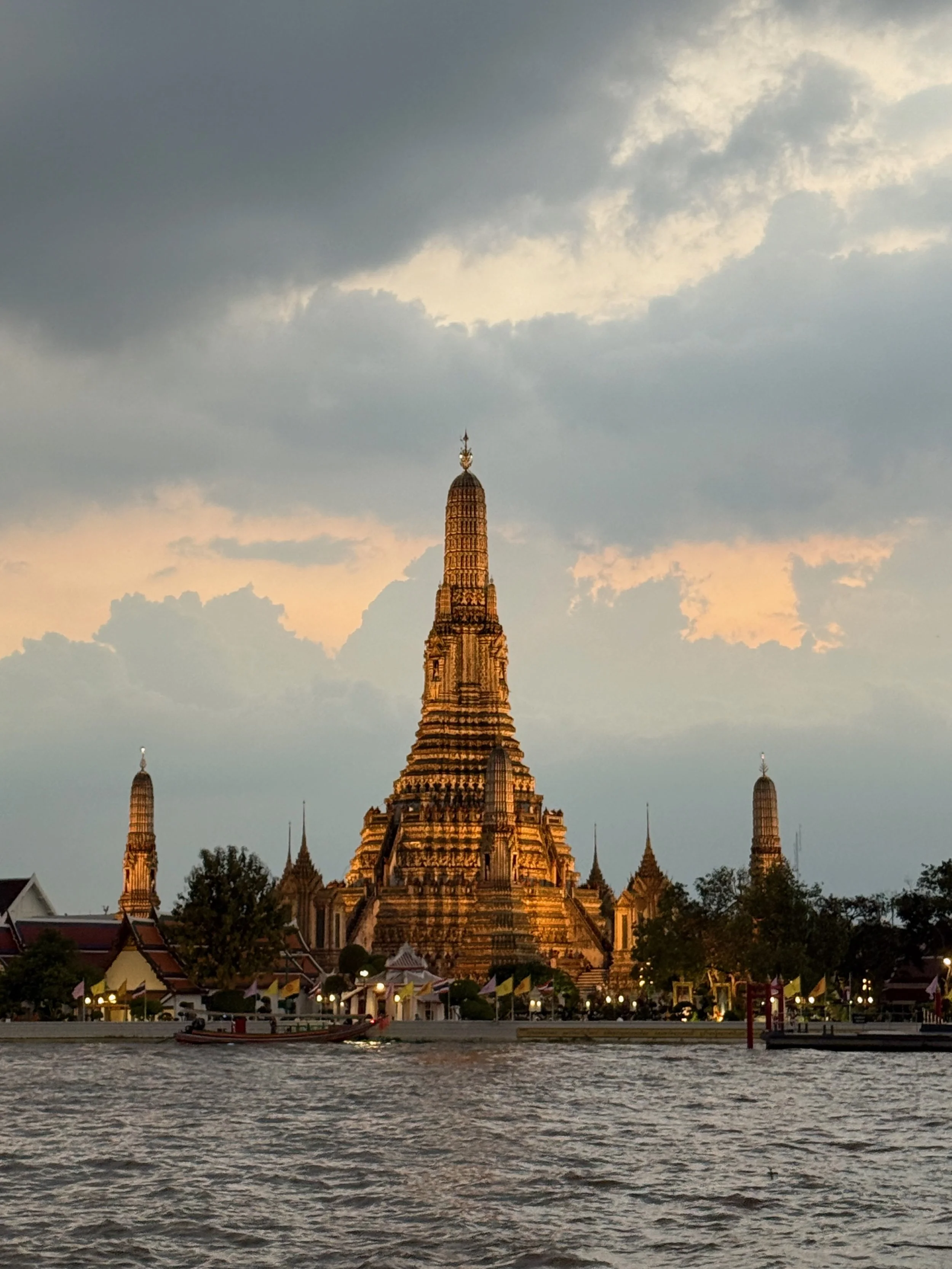
Bangkok itself was intense at first. Busy streets, endless traffic, humid air, and constant movement everywhere. But mixed into all that chaos were beautiful temples, impressive palaces, rooftop views, markets, and, finally, authentic Pad Thai.
One of my favorite experiences near Bangkok was a day trip top the Dragon Temple, which ended up being completely worth the long Uber ride there.
After Bangkok, I headed north to Chiang Mai.
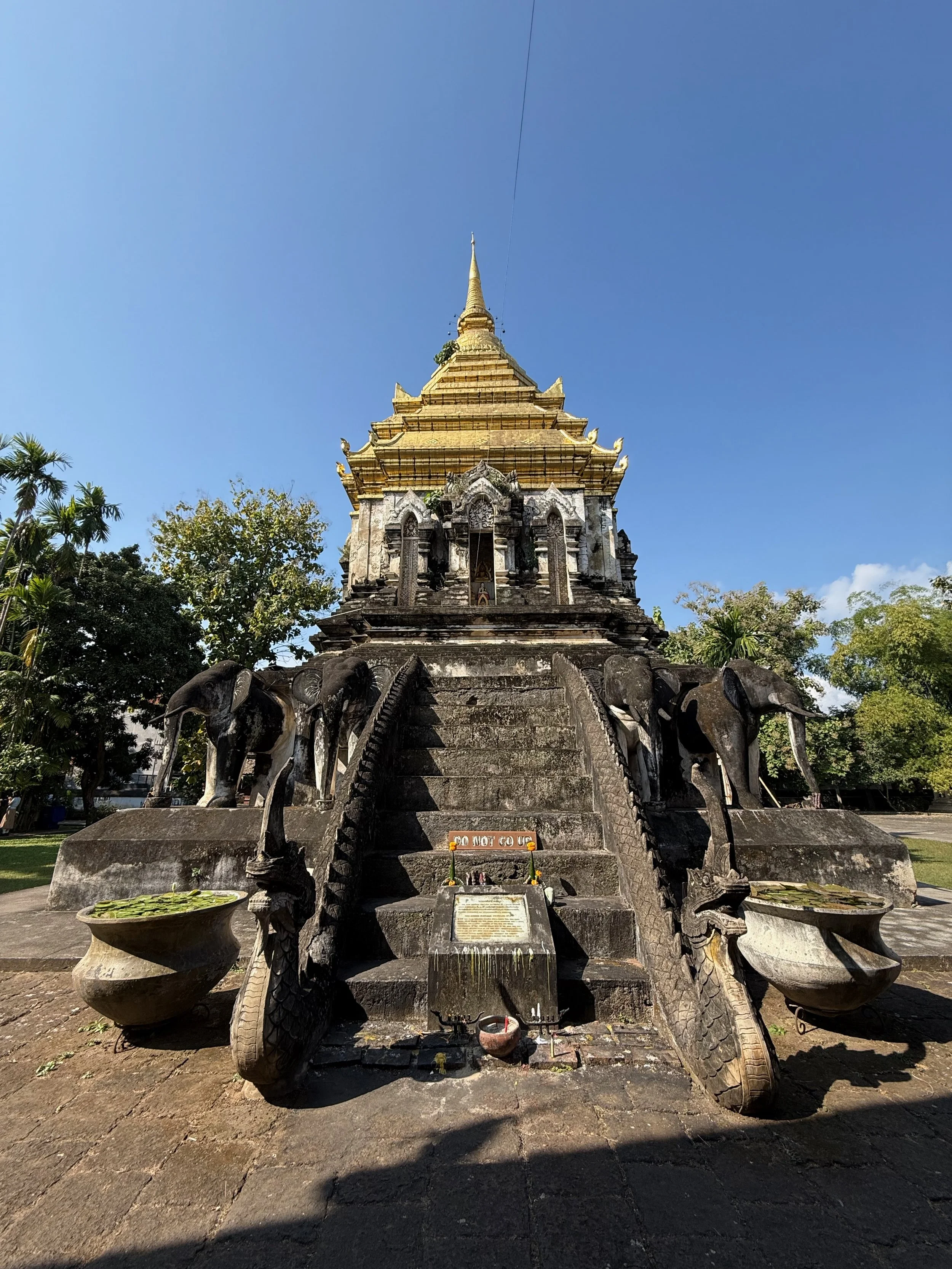
I liked it, though I never connected with it quite as much as many other travelers seem to. It felt more relaxed than Bangkok, with beautiful temples, cafés, and a slower pace, but for me it was more of a transition stop than a standout highlight.
From there, I traveled to Pai for a few days, and that completely changed the atmosphere again.
Pai was one of those places that immediately feels calmer the moment you arrive. I loved the surrounding landscapes, the slower rhythm, and especially the accommodation I stayed in there. It felt peaceful in a very uncomplicated way.
After one final night back in Chiang Mai, I flew south to Koh Samui, where I stayed for a week.
That part of the trip felt different because I met up a few times with Selma, an ex-colleague from back home. After so much solo travel, it was genuinely nice to suddenly share meals, beach walks and everyday moments with someone else again.
I also did a day trip to Koh Phangan, before continuing to Phuket for the final part of my Thailand trip.
And honestly, Phuket surprised me.
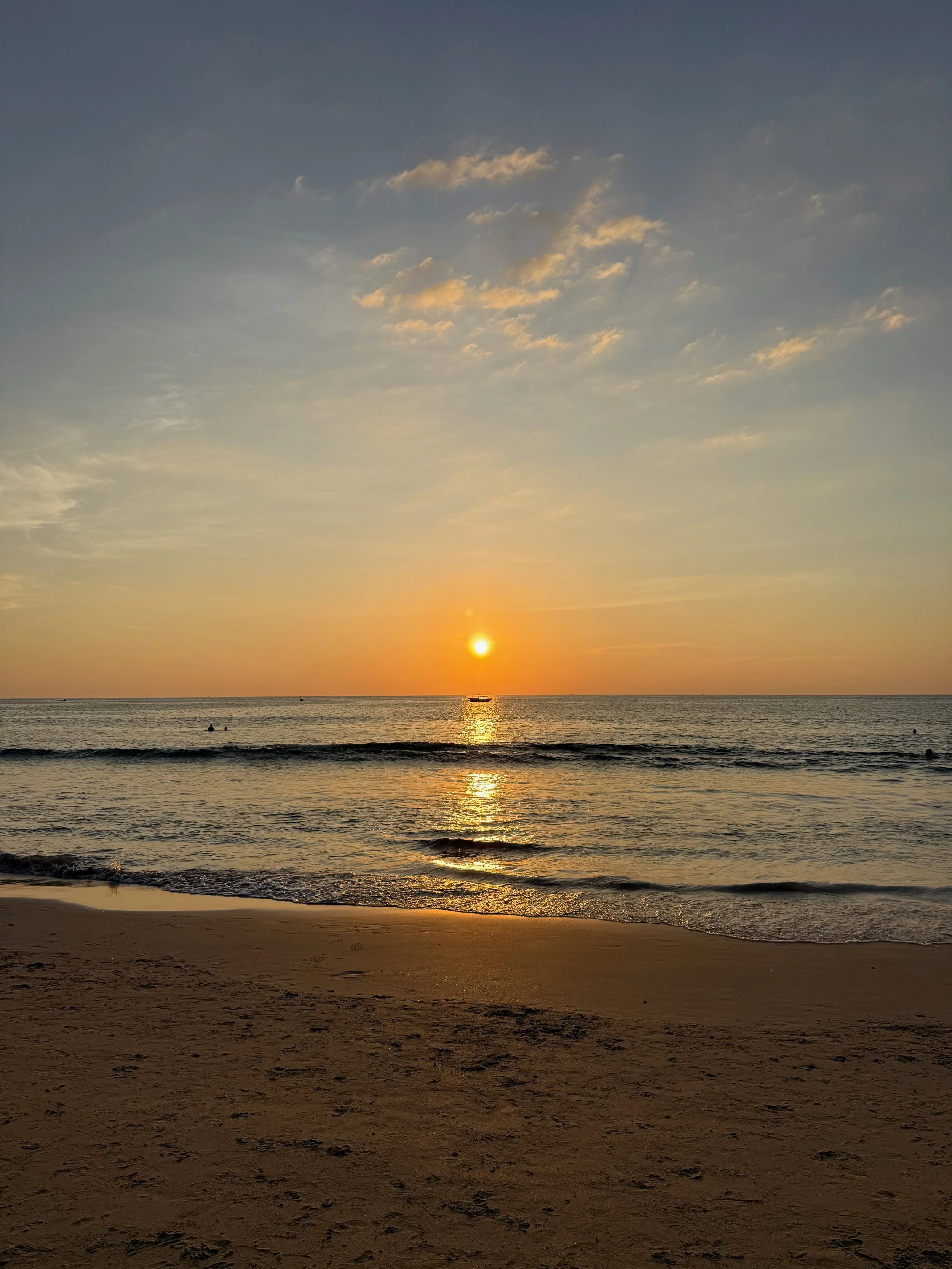
I had expected it to feel overcrowded and overly touristy, but I actually ended up enjoying the beaches there more than on Koh Samui. Maybe because I arrived with lower expectations, or maybe because by then I had fully settled into island life.
Thailand wasn’t the country that challenged me the most emotionally or changed me the most deeply. And I probably won’t come back for a while.
But it was probably one of the easiest places to simply enjoy life (and mango sticky rice.)
Facts
Capital: Bangkok
Currency: Thai Baht (THB) → 38-40 THB = 1 Euro (varies with exchange rates)
Visa: Many nationalities can enter visa-free for tourism for a limited period
Language(s): Thai (official); English is widely spoken in tourist areas, islands, restaurants, hotels and larger cities
Ideal Travel Time: November - February offers the most comfortable temperatures and less rain. March-May can become extremely hot, while rainy season varies depending on the region
Cash & ATMS: Cards are accepted in many places, but cash is still important for markets, street food, smaller cafés, and local transport. ATMs are easy to find but usually charge withdrawal fees
SIM card: get a physical SIM at the airport or use an eSIM (i.e. Holafly)
Plug Type: European plugs work most of the time; I always carry a global adapter just in case
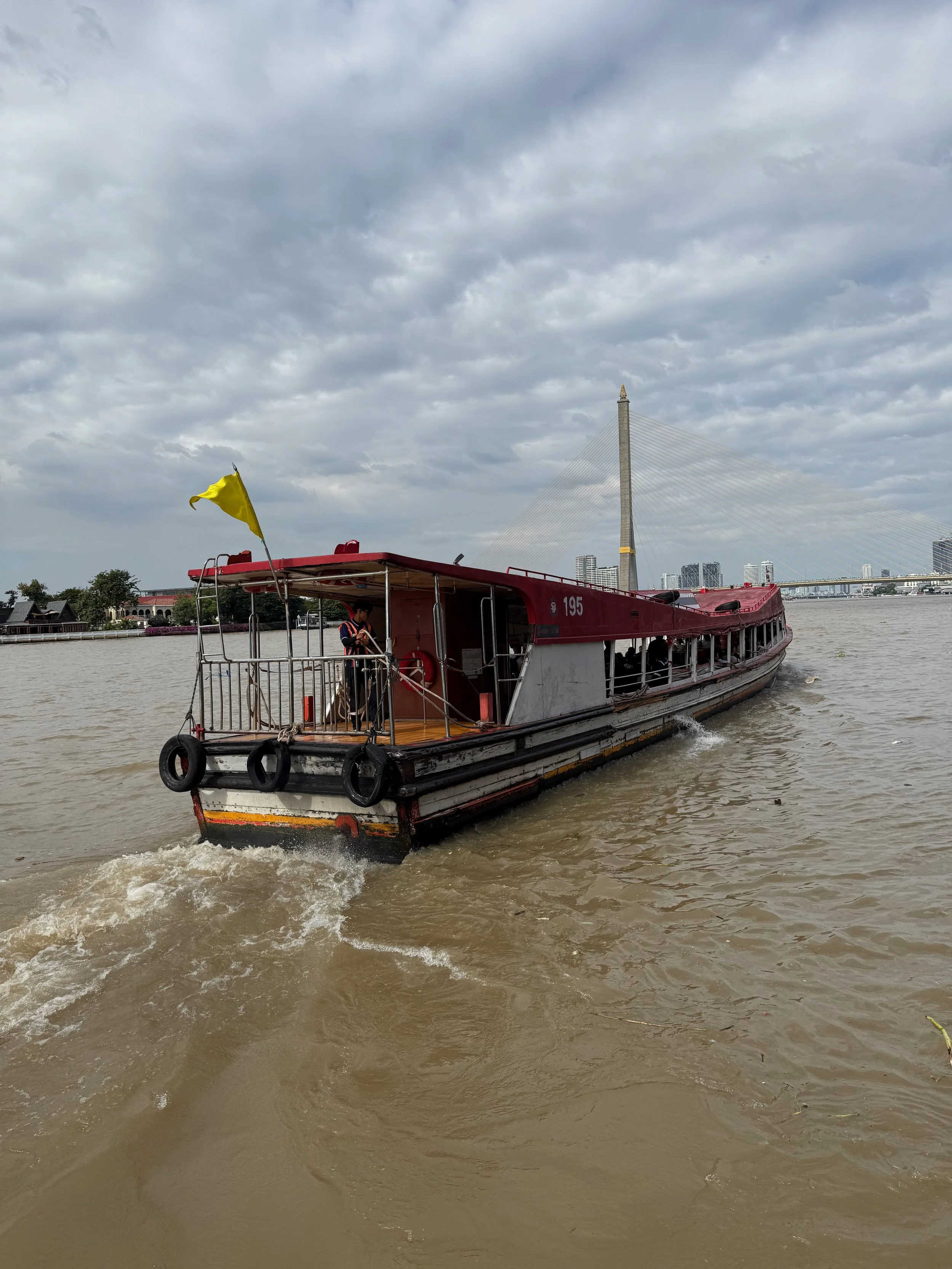
Transport: Domestic flights, ferries, Grab, scooters, tuk-tuks, trains, minibuses - Thailand has one of the easiest travel infrastructures in Southeast Asia
Onward-Ticket: sometimes checked at departure airport or immigration
Before You Go
Heat & Humidity
Thailand can feel exhausting at first, especially in cities like Bangkok.
Drink more water than you think you need, take breaks during the hottest hours, and don’t underestimate how draining the humidity can become after long sightseeing days.
Island travel takes longer than expected
Even short distances can turn into full travel days once ferries, transfers, waiting times and delays are involved.
What looks close on the map doesn’t always feel close in reality.
Temple visits
Temples require respectful clothing. Shoulder and knees should generally be covered when visiting temples and religious sites.
A light scarf is useful to always have in your bag, one time that wasn’t even enough and I had to buy a T-shirt on site.
Shoes are removed before entering many temples and some indoor spaces.
Grab is your best friend
Especially in Bangkok.
It makes transport much easier, avoids awkward tuk-tuk negotiations, and is often surprisingly affordable.
What Surprised Me vs. What I Expected
What surprised me positively
How easy Thailand was for solo travel
How developed and convenient everything felt
The variety between cities, mountains, and islands
How much I ended up enjoying Phuket
What surprised me in a challenging way
Bangkok’s heat and traffic felt intense at first
Some areas felt very commercialized
Travel days between islands can be tiring despite short distances
Certain places felt more built for tourism than local life
What wasn’t what I imagined
Chiang Mai didn’t become my favorite stop the way I expected
Phuket was much nicer than its reputation made me think
Party areas like Khao San Road were fun to see, but not necessary to sleep near
Packing Tips
Clothing
Lightweight breathable clothes
Swimsuits + cover-ups
Loose, long clothing for temples
A light layer for buses, ferries, and flights with aggressive AC
Footwear
Comfortable sandals
Flip-flops
Walking shoes for cities and viewpoints
Health & Essentials
Electrolytes
Mosquito spray
Sunscreen
Power bank
Dry bag or waterproof pouch for documents for ferries/island travel
Small backpack for daytrips
Earplugs for hostel stays in cities
Cost Level (How expensive is Thailand?)
Cost Level: Moderate by Southeast Asia standards
Thailand can be affordable, but it can also become expensive in popular tourist areas and islands. Compared to neighboring countries like Laos or Cambodia, prices felt noticable higher in places like Phuket and Koh Samui, especially for accommodation, cafés and Western-style restaurants.
That said, Thailand is still very manageable for long-term travel if you balance local food, public transport, and occasional comfort.
Biggest expenses: Flights, island accommodation, tourist activities, modern cafés
Cheapest categories: Street food, local restaurants, Grab rides, massages, convenience store snacks
My takeaway:
Thailand felt like one of the easiest countries to travel through comfortably without constantly worrying about logistics. It may not be the absolute cheapest destination in Southeast Asia, but the convenience and infrastructure often make the extra cost feel worth it.