My Highlights of Northern India
New Delhi
🕌 Qutub Minar
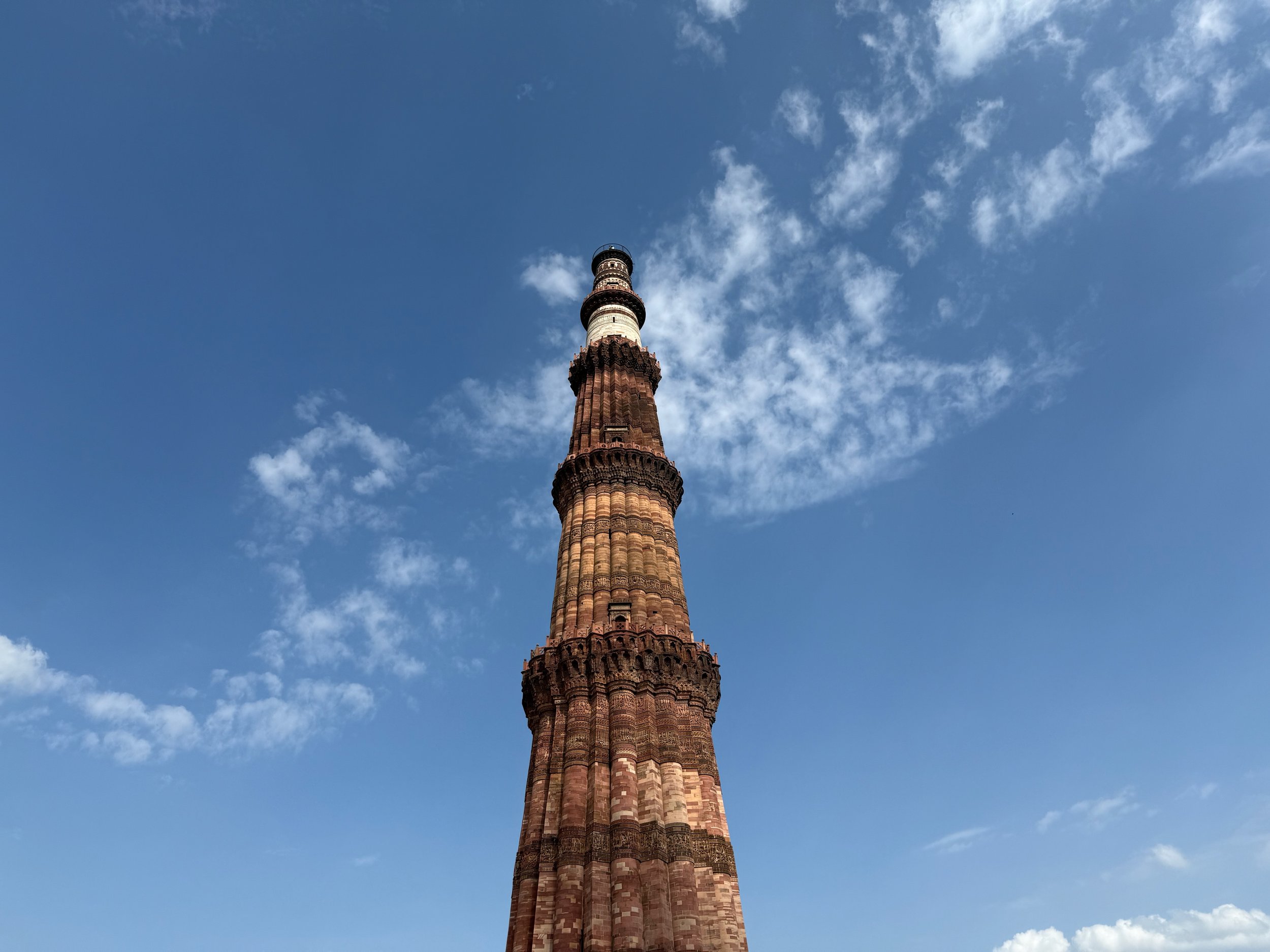
After everyone from our group had arrived, we met our local guide Rishab in the afternoon and headed straight to our first stop: Qutub Minar, a UNESCO World Heritage Site. At about 73 meters high, it is the tallest brick minaret in the world with five stories. Standing at the foot of this towering minaret was a powerful way to start the trip - my first real step into India’s layered history and a taste of what it was like to go sightseeing in 30°C weather. The complex has wide lawns and pathways, making it ideal for a relaxed walk and photography. Entrance fee: 550-600 INR for foreigners.
Qutub Minar
🌸 Lotus Temple
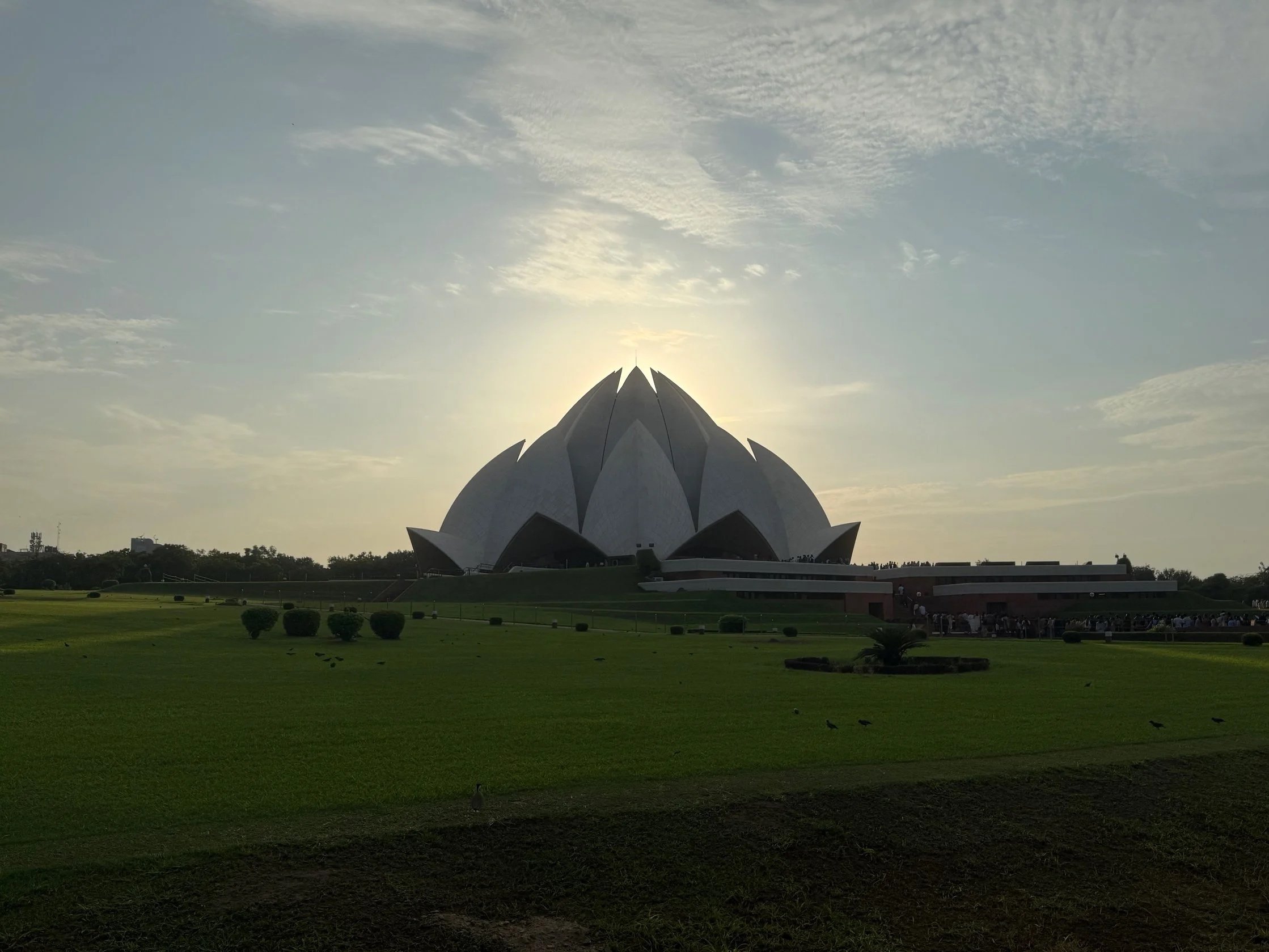
Our second stop was the Lotus Temple, and this was one of my highlights. Outside, crowds gathered everywhere, but once inside, the atmosphere shifted completely. Only a few people were allowed in at a time, and everyone had to stay quiet. It felt peaceful, calming, and unexpectedly grounding. The Lotus Temple is a Baháʼí House of Worship, open to people of all religions and backgrounds. The building is famous for its lotus-shaped design made of white marble, surrounded by beautiful gardens and it was great to watch the sun go down behind the building. Entry is free, no photography allowed inside.
Lotus Temple
🎶 ISKCON Temple
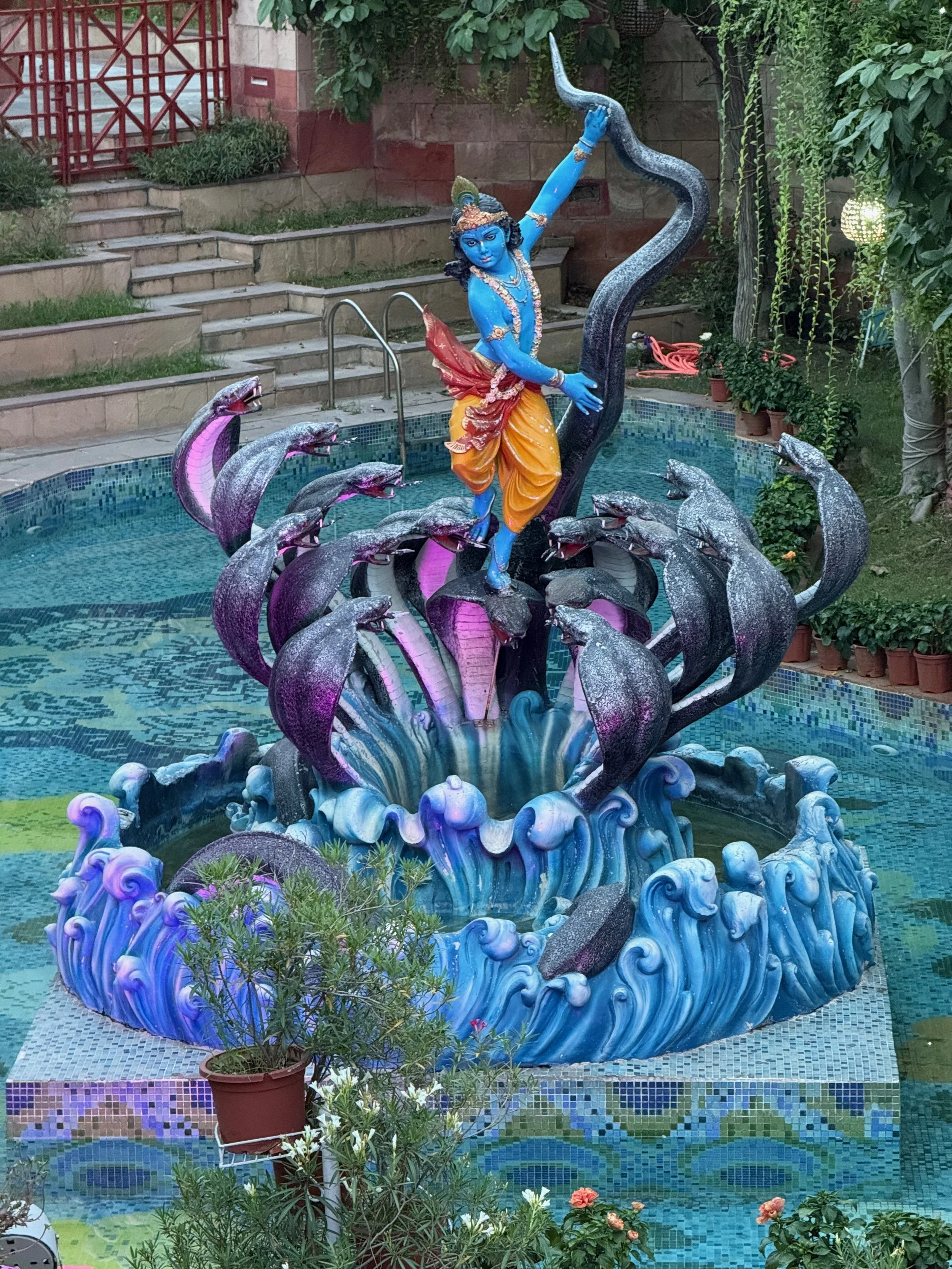
The final stop of the day was the ISKCON Temple, where we walked into joyful singing and dancing. The vibe was fun and energetic - a completely different kind of spiritual experience. You’ll find daily aartis (prayer ceremonies) and devotional chanting (bhajans/kirtans) focused on Lord Krishna and Radha - especially in the early morning and evening. These are lively, musical, and open to visitors. Entry is free, though donations are welcome.
Krishna statue at ISKCON temple
🛕 Lakshminarayan Temple & Buddhist Temple
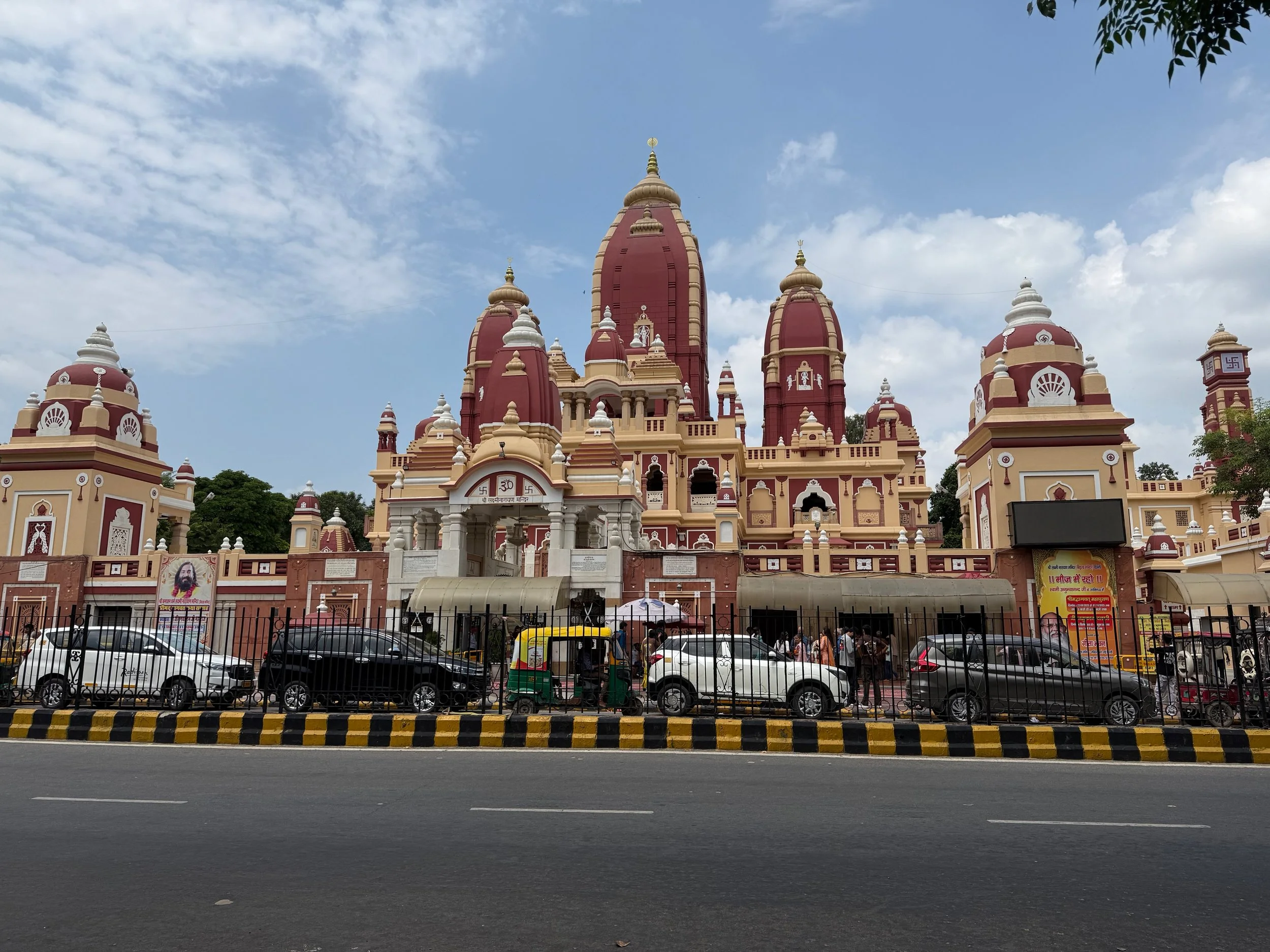
The following day we started with the Lakshminarayan Temple. Dedicated to Lord Vishnu (Narayan) and Goddess Lakshmi, this is one of Delhi’s most prominent Hindu temples and is actively used for daily worship. Entry is free, no photography allowed inside. Right next to the temple is a small buddhist temple worth checking out.
Lakshminarayan Temple
🇮🇳 India Gate & Presidential Palace
Next we stopped at the India Gate. It is a 42-meter-tall memorial honoring Indian soldiers who died during World War I and the Third Anglo-Afghan War. Names of soldiers are inscribed on the structure. The surrounding area is a popular spot for walking and relaxing. You will see lots of families, couples and street vendors. Great for photos, particularly at sunset and after dark, when the monument is illuminated.
After walking around the area, we drove past the Presidential Palace to take a look at it from the outside. Rashtrapati Bhavan is the official residence of the President of India and entry is strictly regulated. Still impressive from afar, and a reminder of India’s political heart.
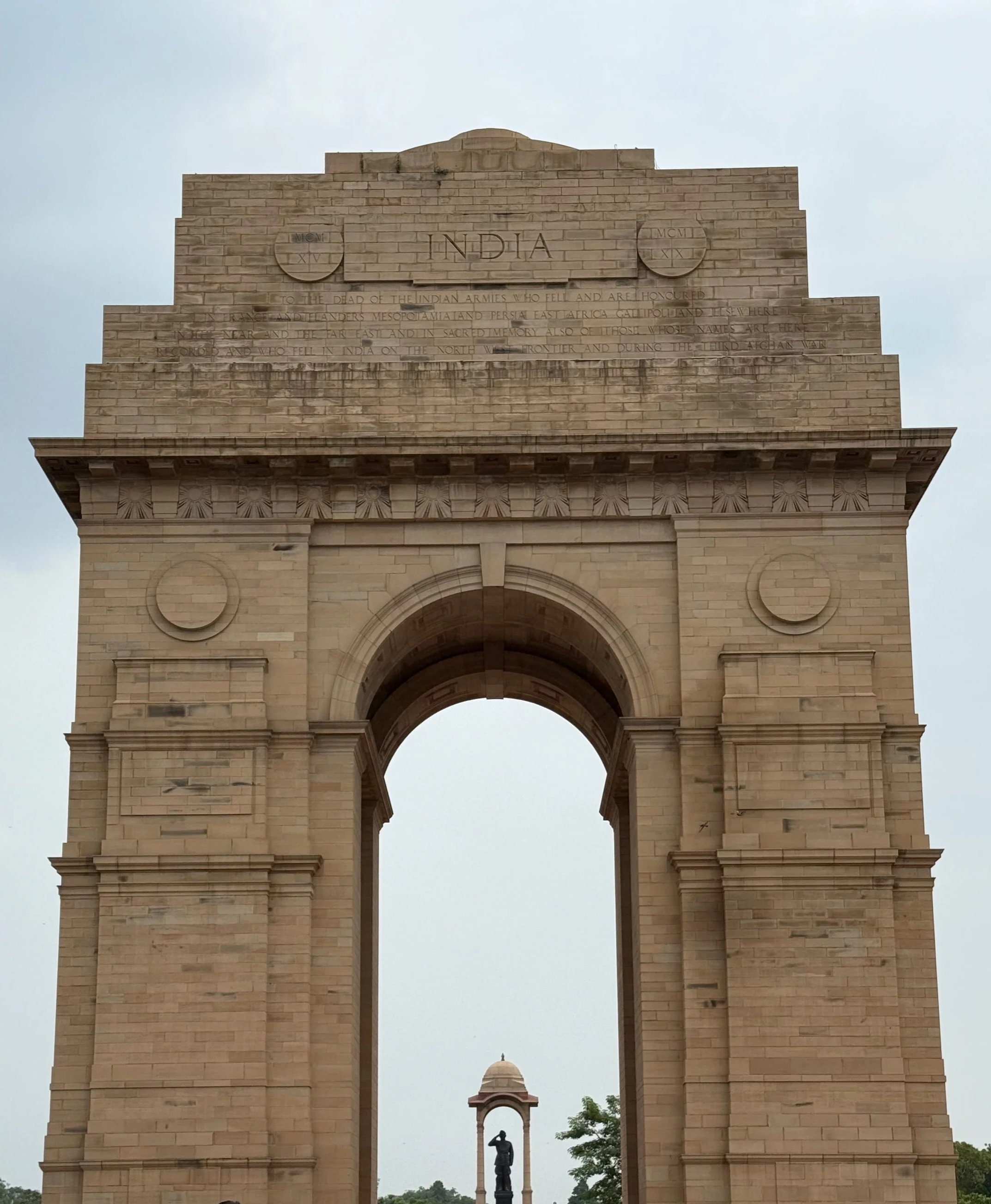
India Gate
🥣 Bangla Sahib Gurudwara
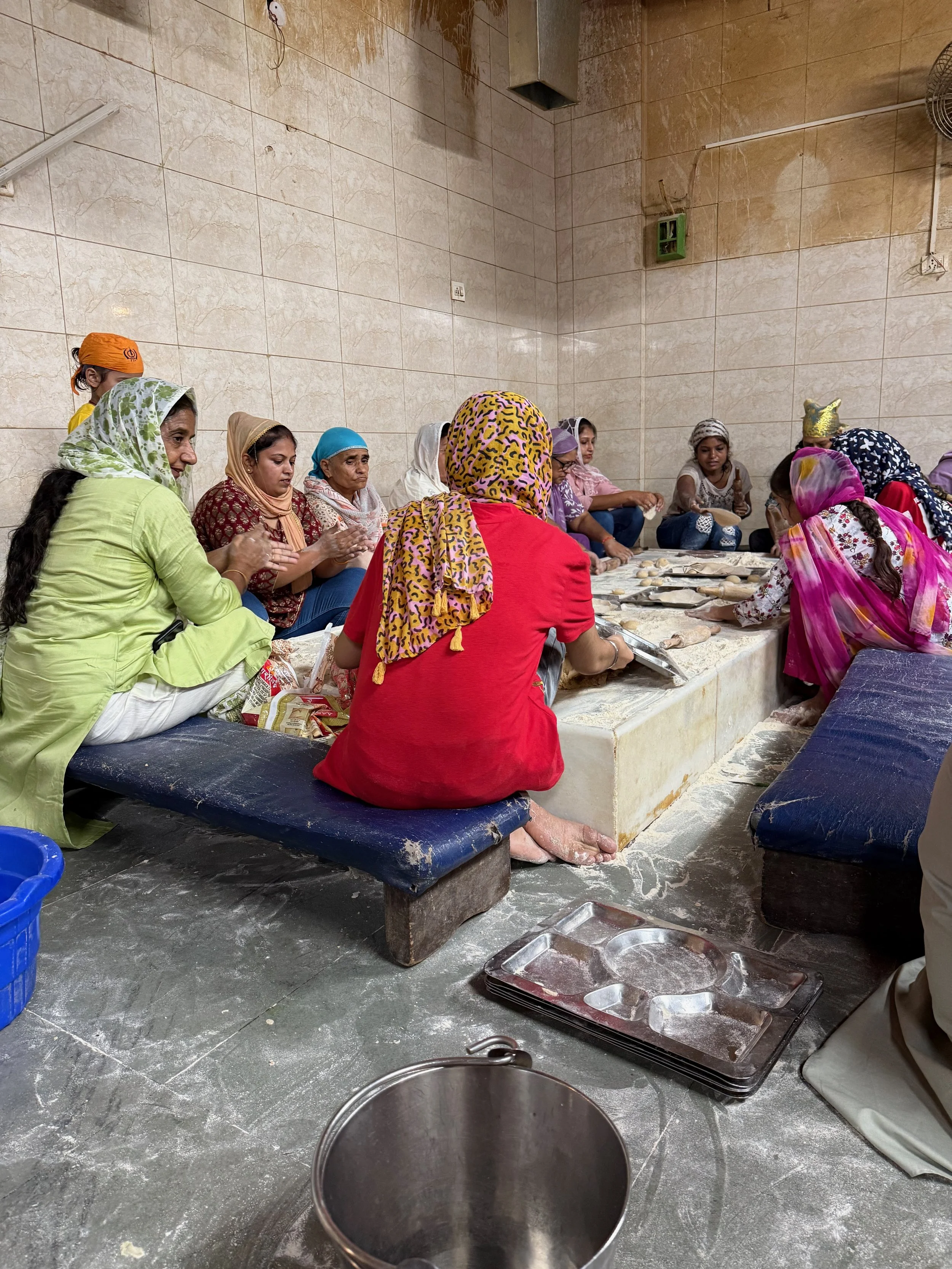
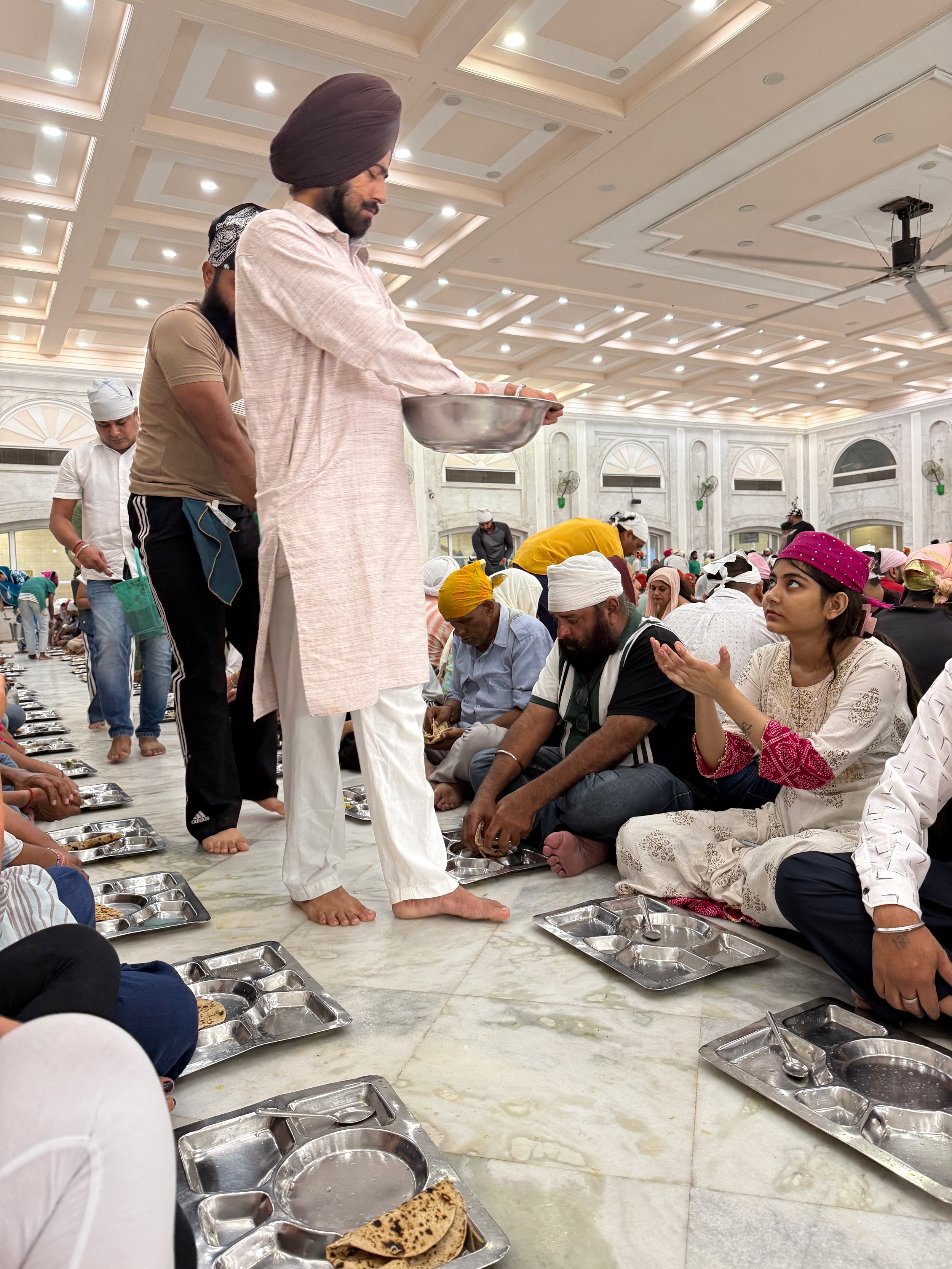
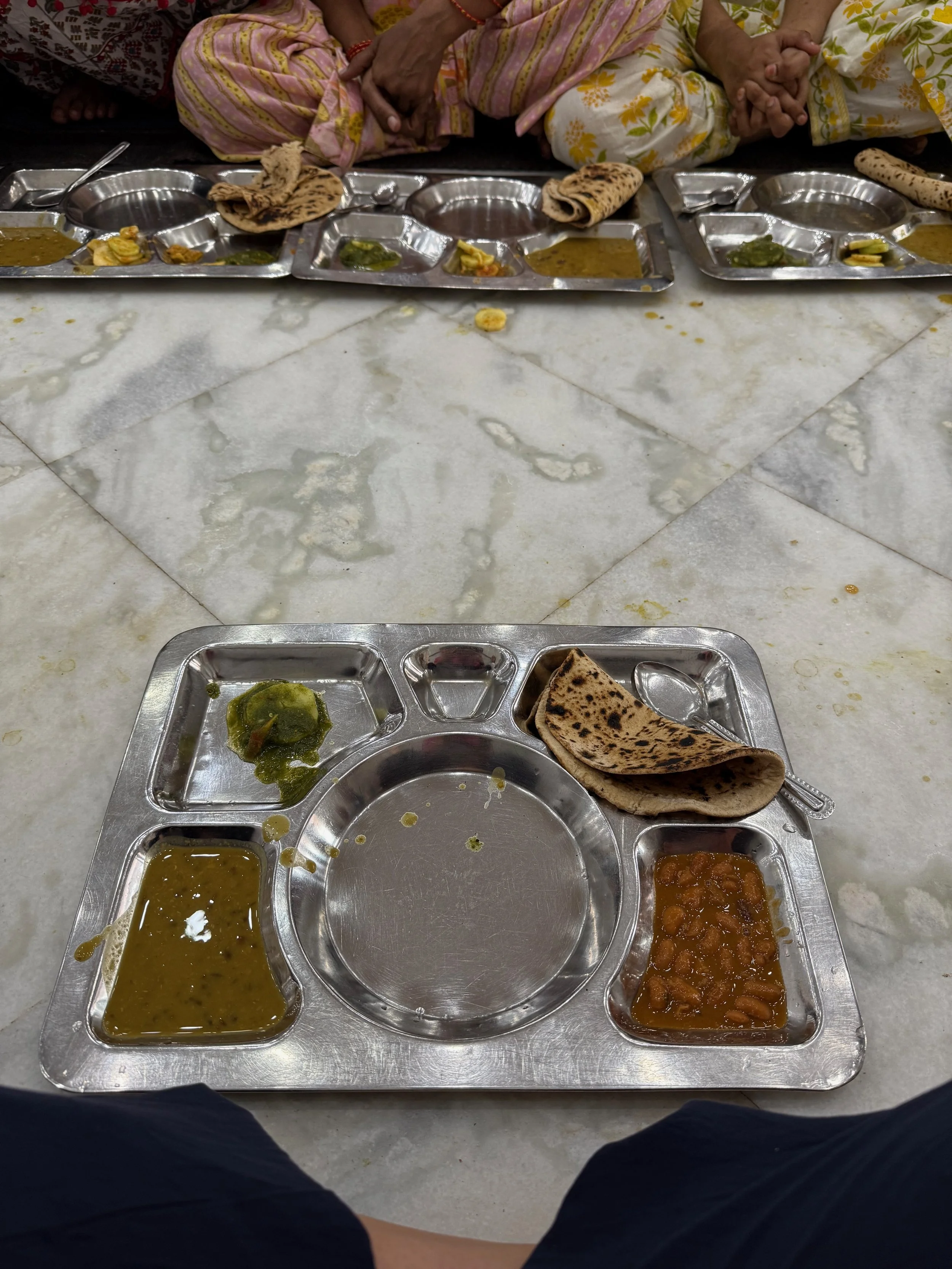
Then came one of my absolute highlights: Bangla Sahib Gurudwara, a Sikh temple known for its community kitchen.
Walking through the kitchen where volunteers prepare free vegetarian food (langar) for hundreds of thousands of people regardless of religion or background every single day was incredibly humbling. The scale, the teamwork, and the dedication were unbelievable. Plus, the food was very good.
The Gurudwara also features a large sarovar (holy pond) where devotees perform ritual cleansing. Visitors can also admire the reflection of the temple in the water. Modest clothing is required; heads must be covered with a scarf or cloth (available at the entrance). Shoes are removed before entering prayer halls. Entry is free.
⛲️ Agrasen ki Baoli
We also visited Agrasen ki Baoli, a stepwell hidden in the middle of the city - simple but atmospheric. The structure features 108 steps descending into a deep well, flanked by arched niches along the walls. Entry is free.
Afterwards, a rickshaw ride through Delhi’s streets took us to Jantar Mantar, an 18th-century astronomical observatory. It is a collection of architectural astronomical instruments used to measure time, track stars, and predict eclipses. The rickshaw ride was a lot of fun, I would not put Jantar Mantar on my must-see list, but if you are in the area and have time, you can go check it out - especially if you are into astronomy. Entrance fee: 300 IDR for foreigners.
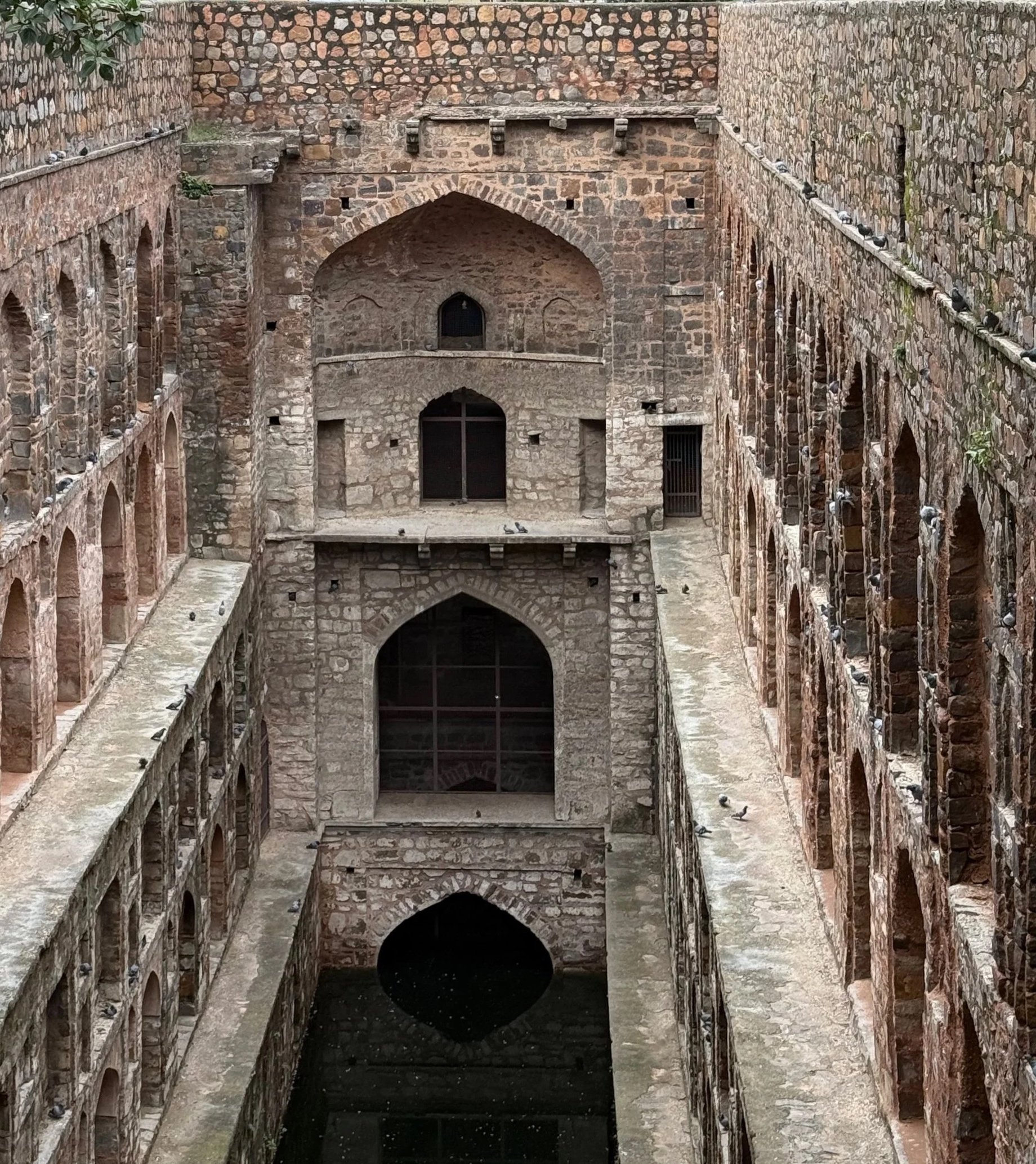
Agrasen ki Baoli
Agra
We drove to Agra the next morning and made a very important stop along the highway: Starbucks.
Honestly, it was my first good coffee (with oat milk) since arriving in India and it made me way happier than it should have.

Starbucks (near Dankaur)
🤍 Taj Mahal - A Moment I’ll Never Forget
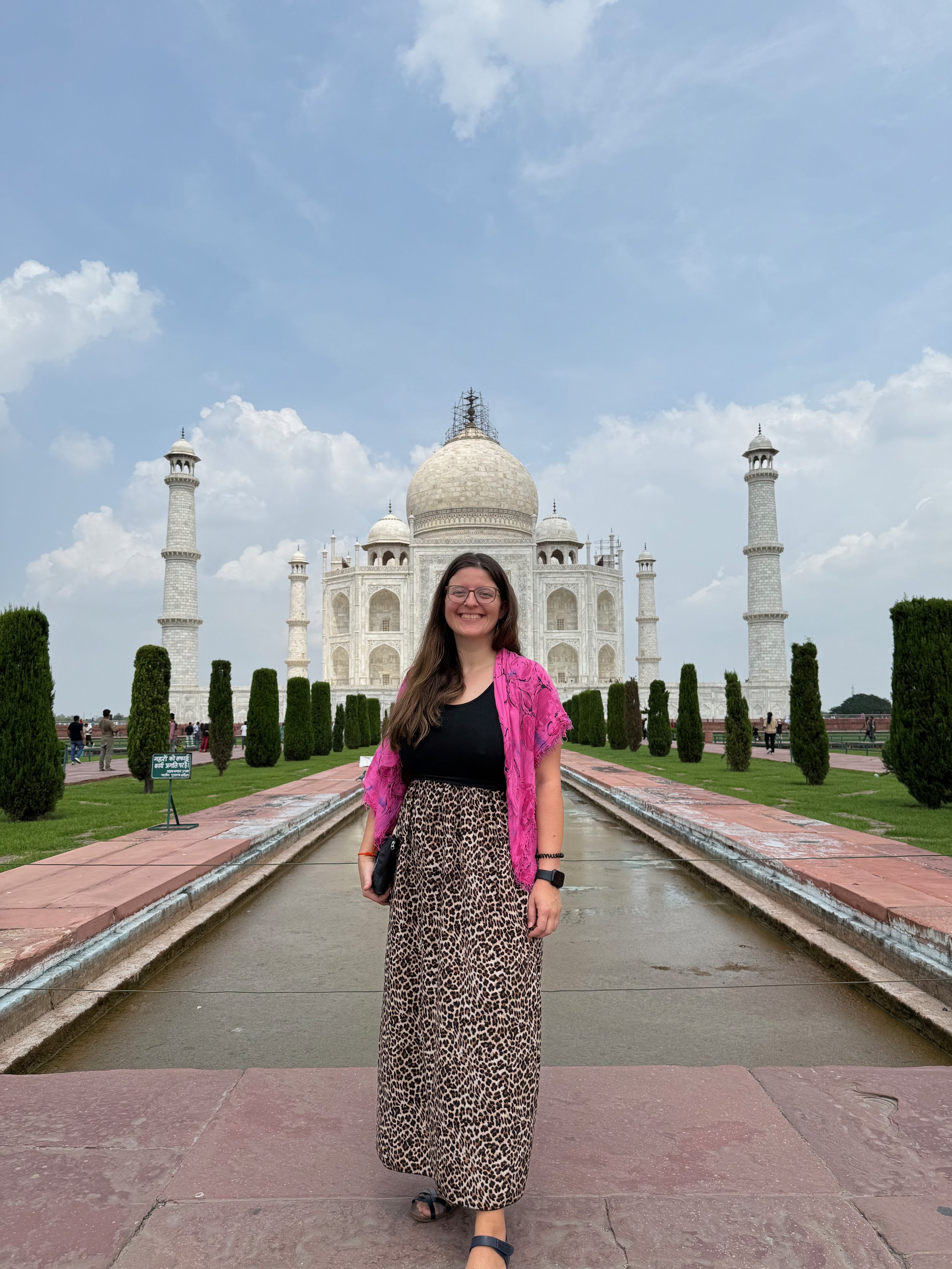
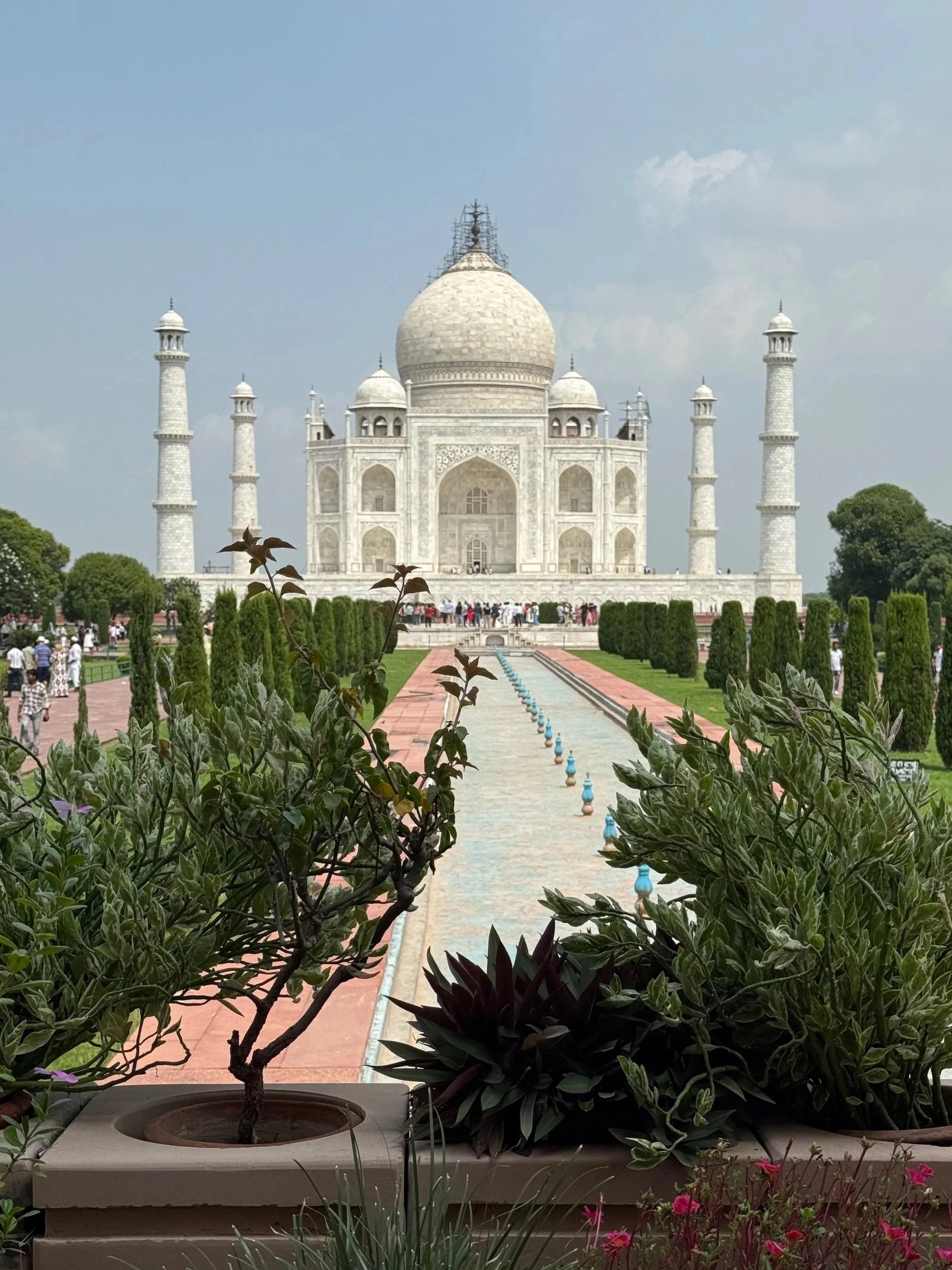
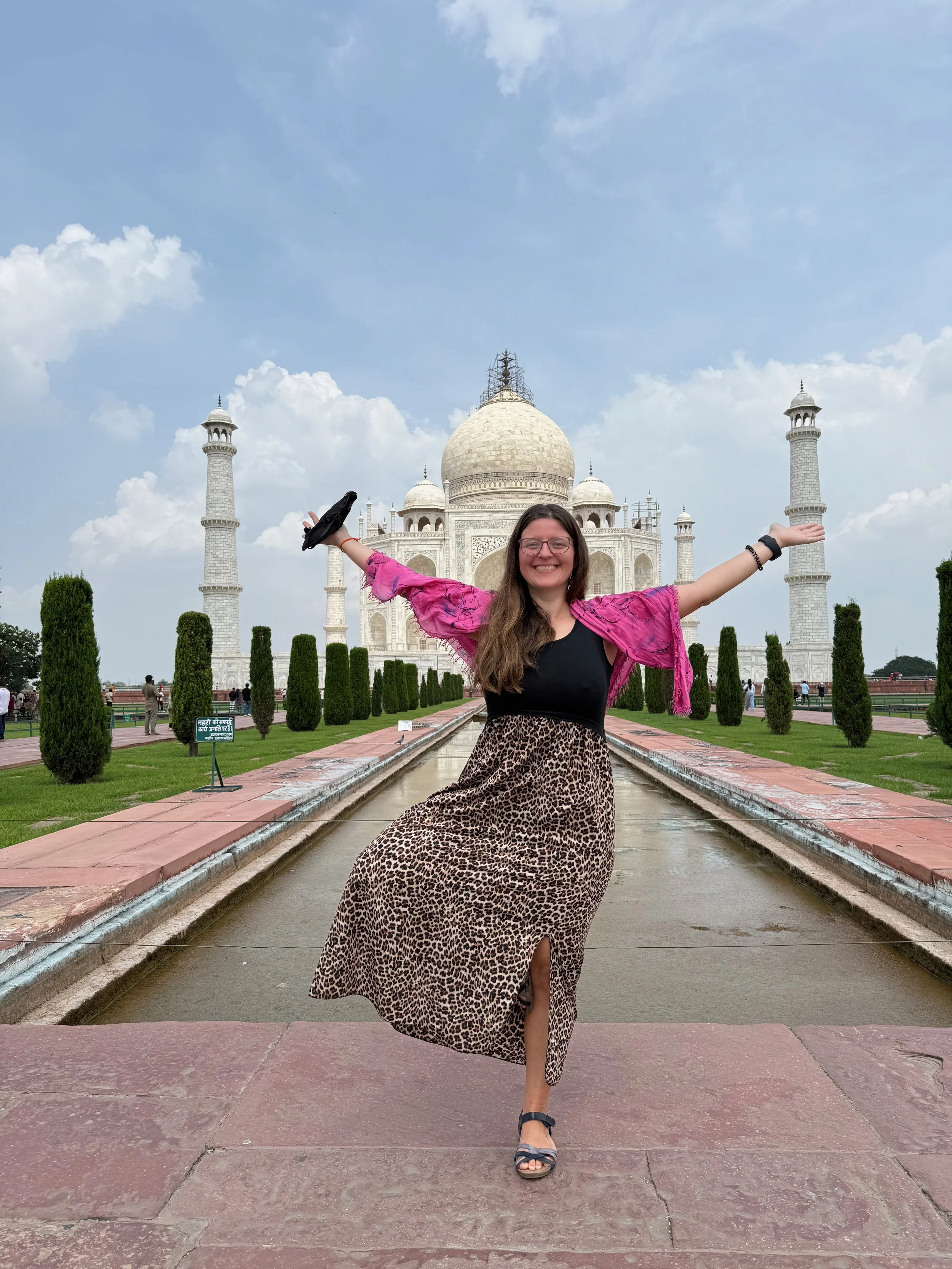
Seeing the Taj Mahal for the first time felt surreal. The UNESCO World Heritage Site, built between 1632–1653 by Mughal Emperor Shah Jahan, is a white marble mausoleum dedicated to his wife Mumtaz Mahal. Famous for its symmetry, domes, minarets, I couldn’t believe I was actually standing in front of one of the most iconic buildings on the planet. It was bigger, brighter, and more breathtaking than any photo could ever show. Entrance fee: 1,100 IDR for foreigners. Photography allowed in the gardens and exterior, limited inside the mausoleum.
🏰 Agra Fort
We continued to the Agra Fort, another impressive and massive structure showcasing Mughal architecture. Often called the Red Fort of Agra, it was built primarily by Emperor Akbar in 1565 and later expanded by Shah Jahan. It served as the royal residence and military base for the Mughals. Constructed from red sandstone, the fort has large courtyards and gardens, with commanding views of the Yamuna River and Taj Mahal from certain points. Entrance fee: 650 IDR for foreigners.
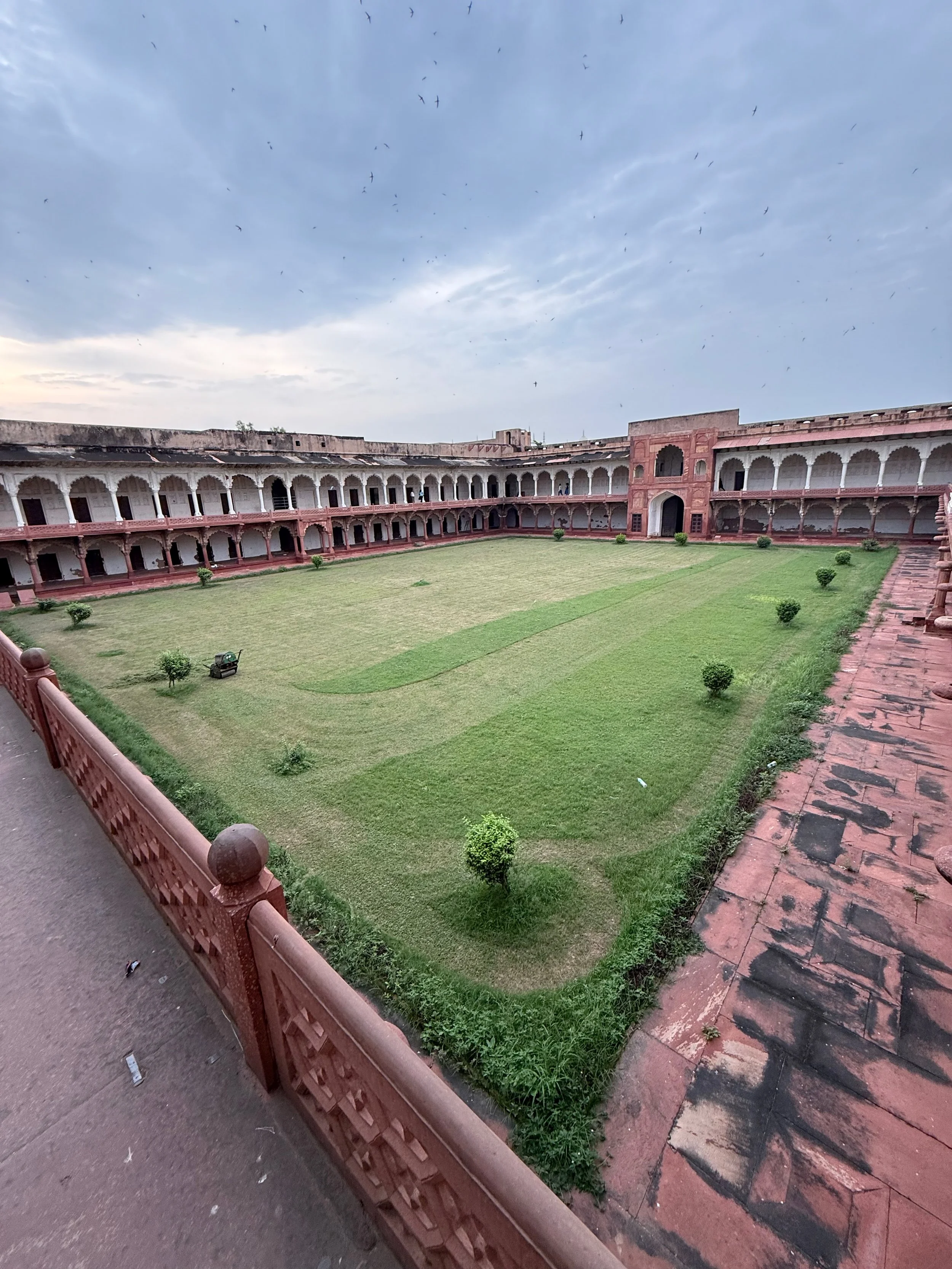
Red Fort of Agra
Old Delhi
🕌 Jama Masjid
We visited Jama Masjid, one of India’s largest mosques. I had to wear provided robes, and many Indian families wanted to take photos with me, which was fun but a little overwhelming.
Built by Emperor Shah Jahan between 1644–1656, Jama Masjid is one of the largest mosques in India and a major landmark of Old Delhi. Constructed from red sandstone and white marble, it features three domes, two minarets, and a large central courtyard. We climbed up one of the minarets to a 360° viewpoint overlooking New and Old Delhi - the traffic noise was so loud that you could hear it from high above the city. Entry is free.
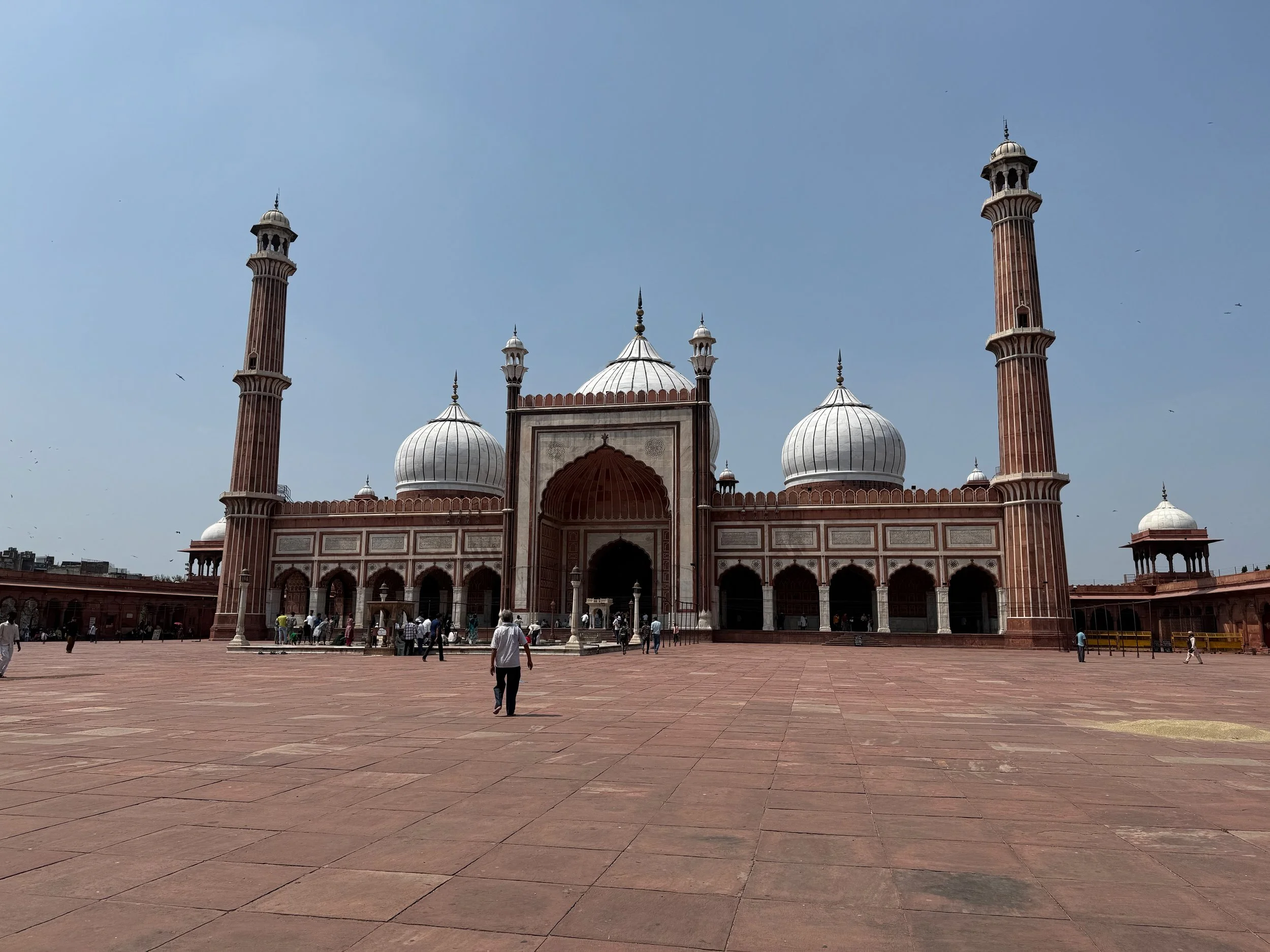
Jama Masjid
🌪️ Chandni Chowk Bazaar
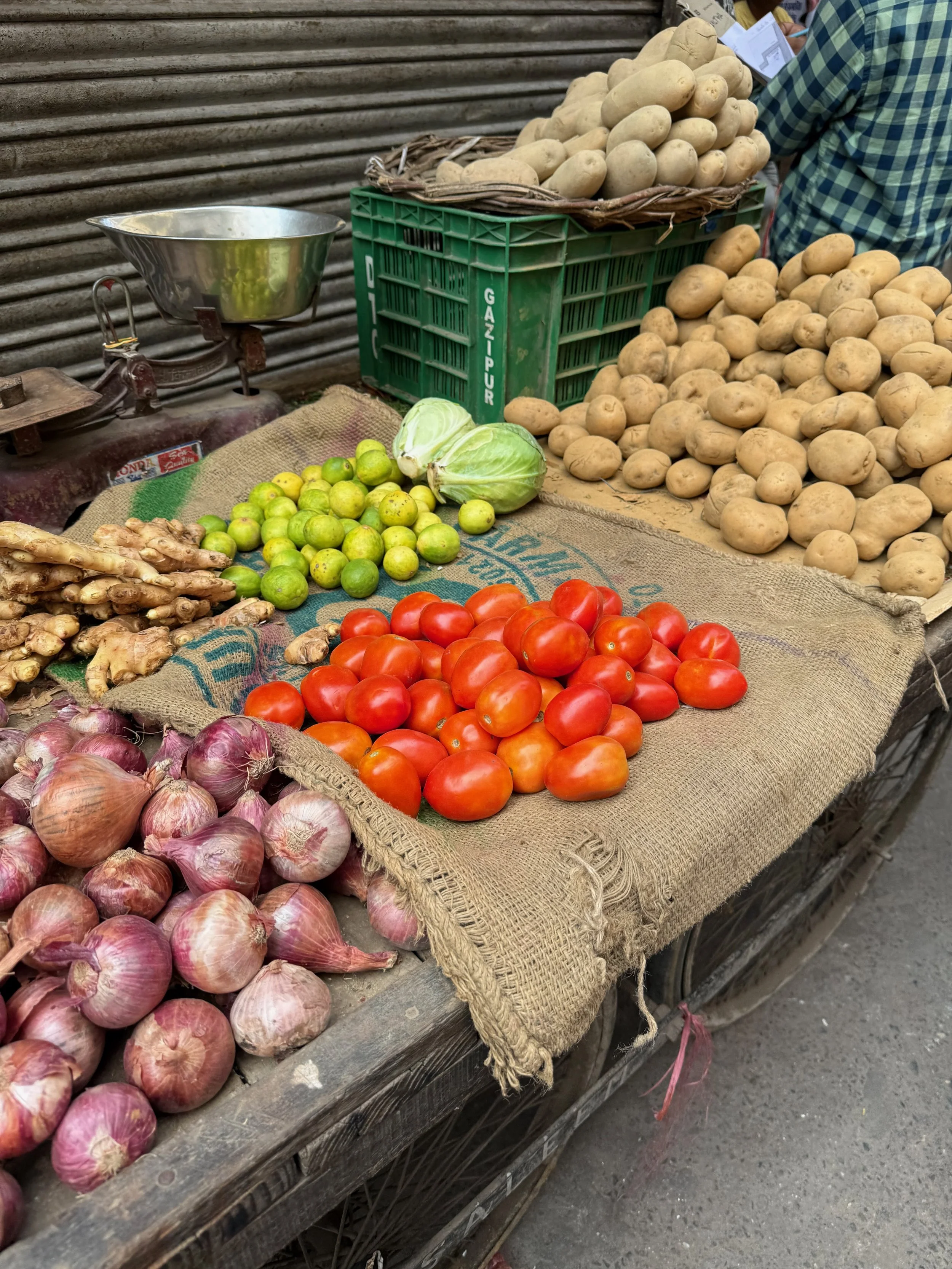
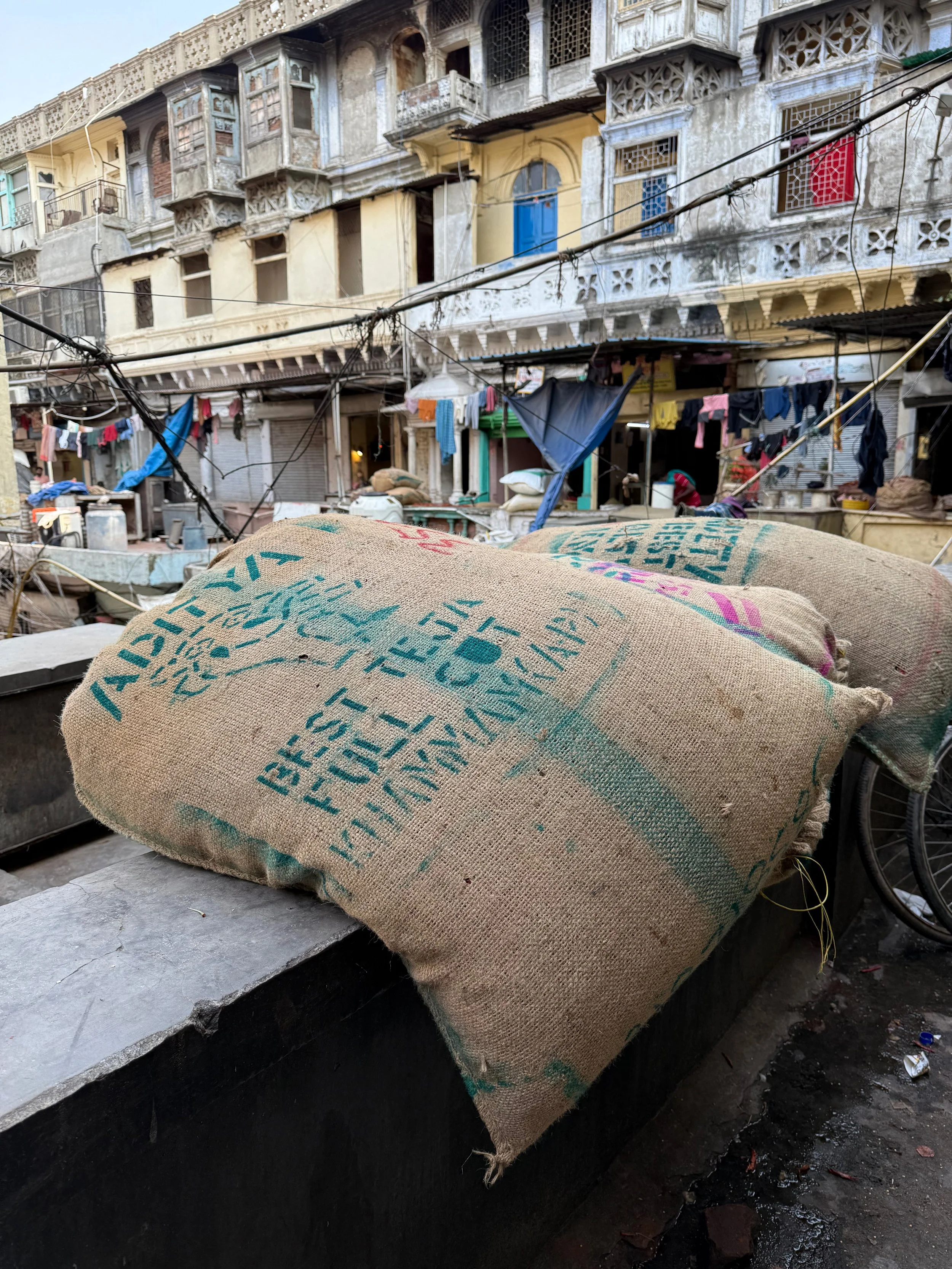
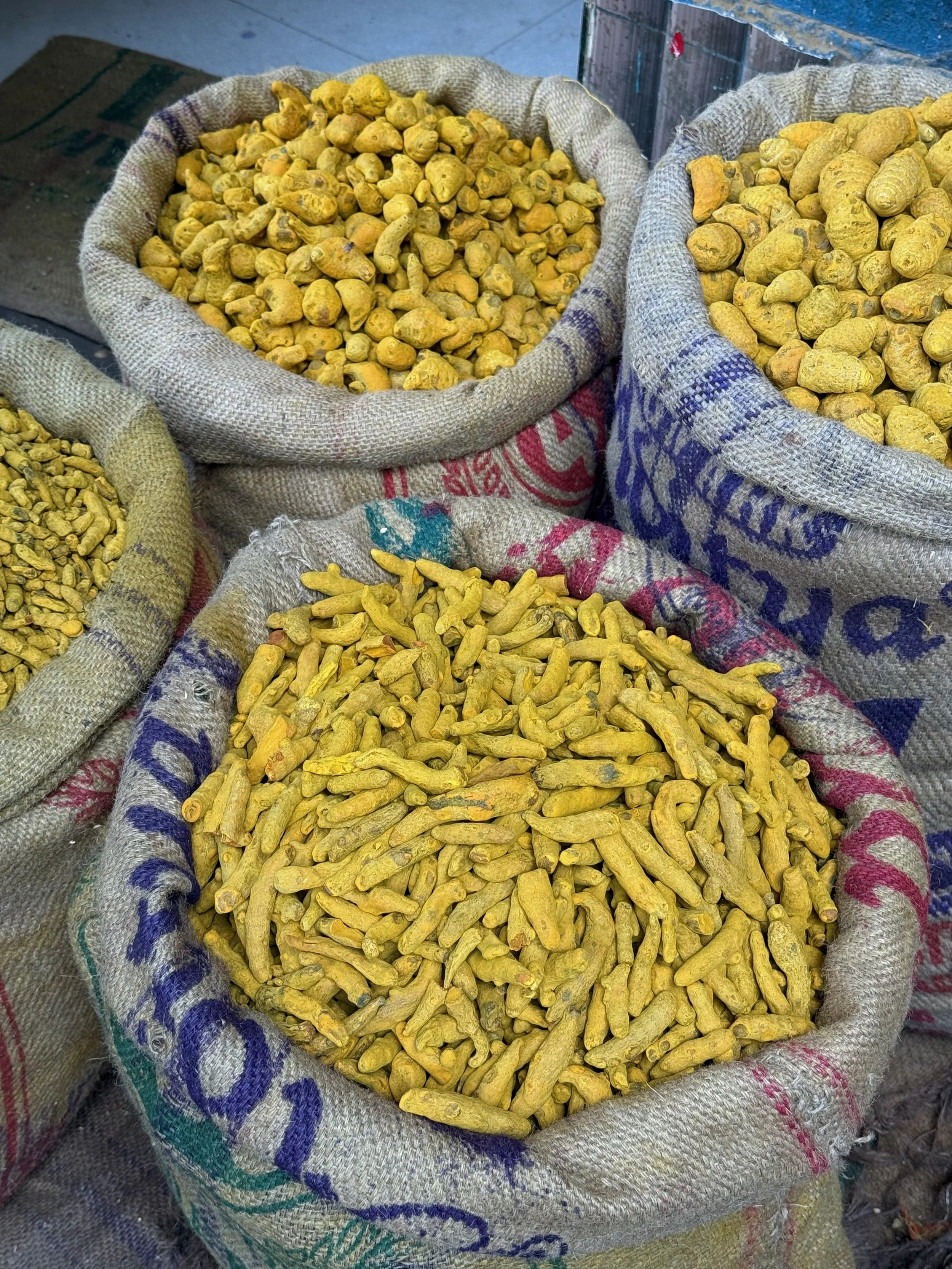
Chandni Chowk, established in 1650 by Emperor Shah Jahan, is one of the oldest and busiest markets in Delhi. Narrow lanes and old buildings create a vibrant, traditional atmosphere. The market is divided into specialized bazaars for spices, textiles, jewelry, electronics, and street food. Walking through it was chaotic, crowded, and absolutely unforgettable. It was one of those “this is really India” moments. Expect a sensory overload - aromas, sounds, colors, and haggling - perfect for cultural immersion.
🛕 Sri Digambar Jain Lal Mandir
A bicycle rickshaw took us to Delhi’s oldest Jain temple, where - unexpectedly - we met the highest Jain monk. He was fully naked, which is normal in the Jain tradition of complete renunciation. He was very pleased that I’m vegan, which made the whole encounter even more special. Entry is free.
🛕 Swaminarayan Akshardham – Breathtaking
Our day ended at Swaminarayan Akshardham, one of the most magnificent temples I’ve ever seen. It is a modern Hindu temple (opened in 2005), dedicated to Lord Swaminarayan and showcases traditional Hindu culture, spirituality, and architecture. Built from pink sandstone and white marble, the temple features intricate carvings of deities, flora, fauna, and cultural motifs. No electronics were allowed inside (not even smartwatches or AirPods) and the security checks were intense.
But maybe that made it even better. Without cameras, everyone was truly present.
Rishikesh (and Haridwar)
From ashram life to sunrise temples, sacred rituals, and moments of pure peace.
🕊️ Swami Sivananda Ashram & The Ganga
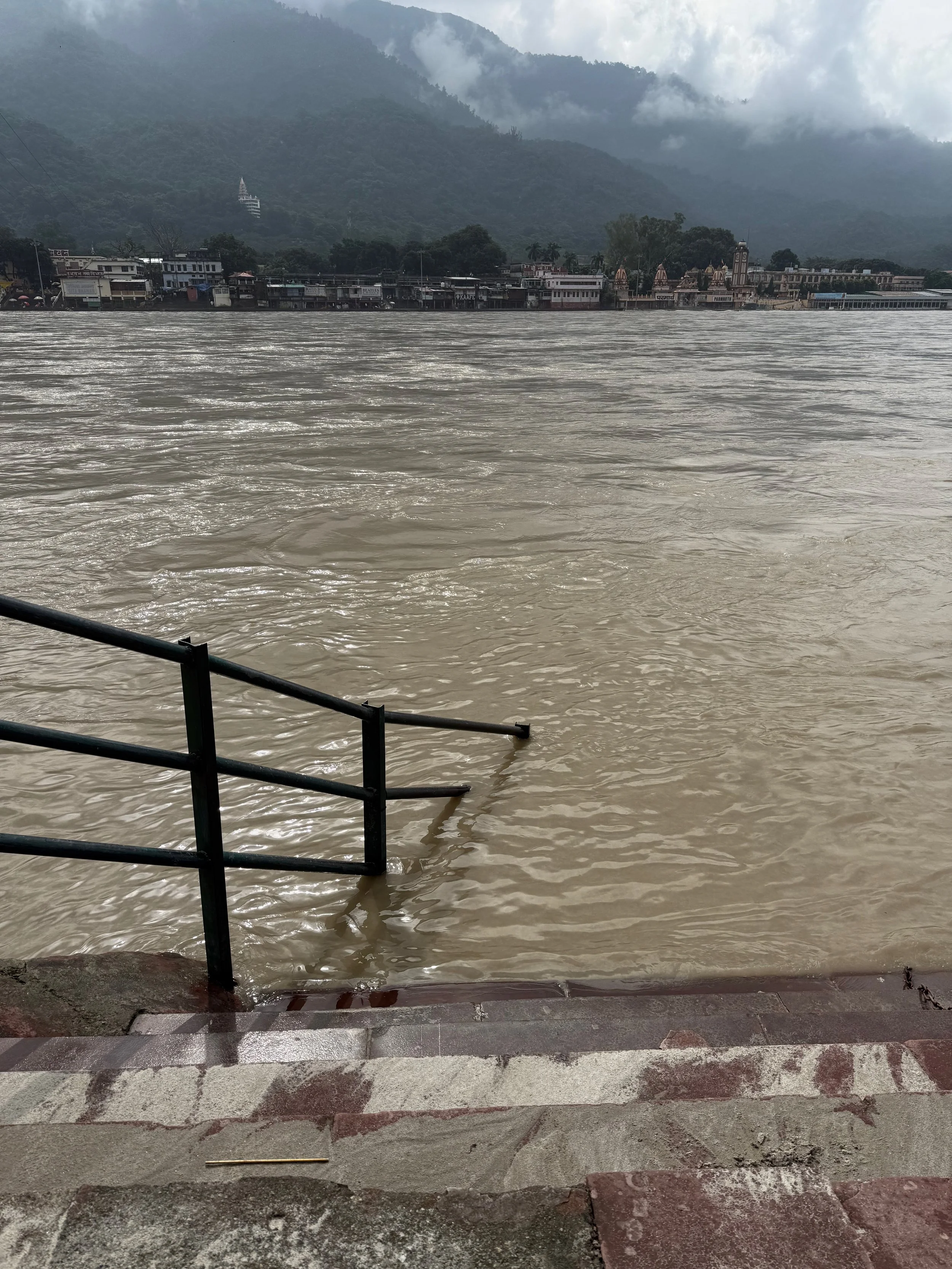
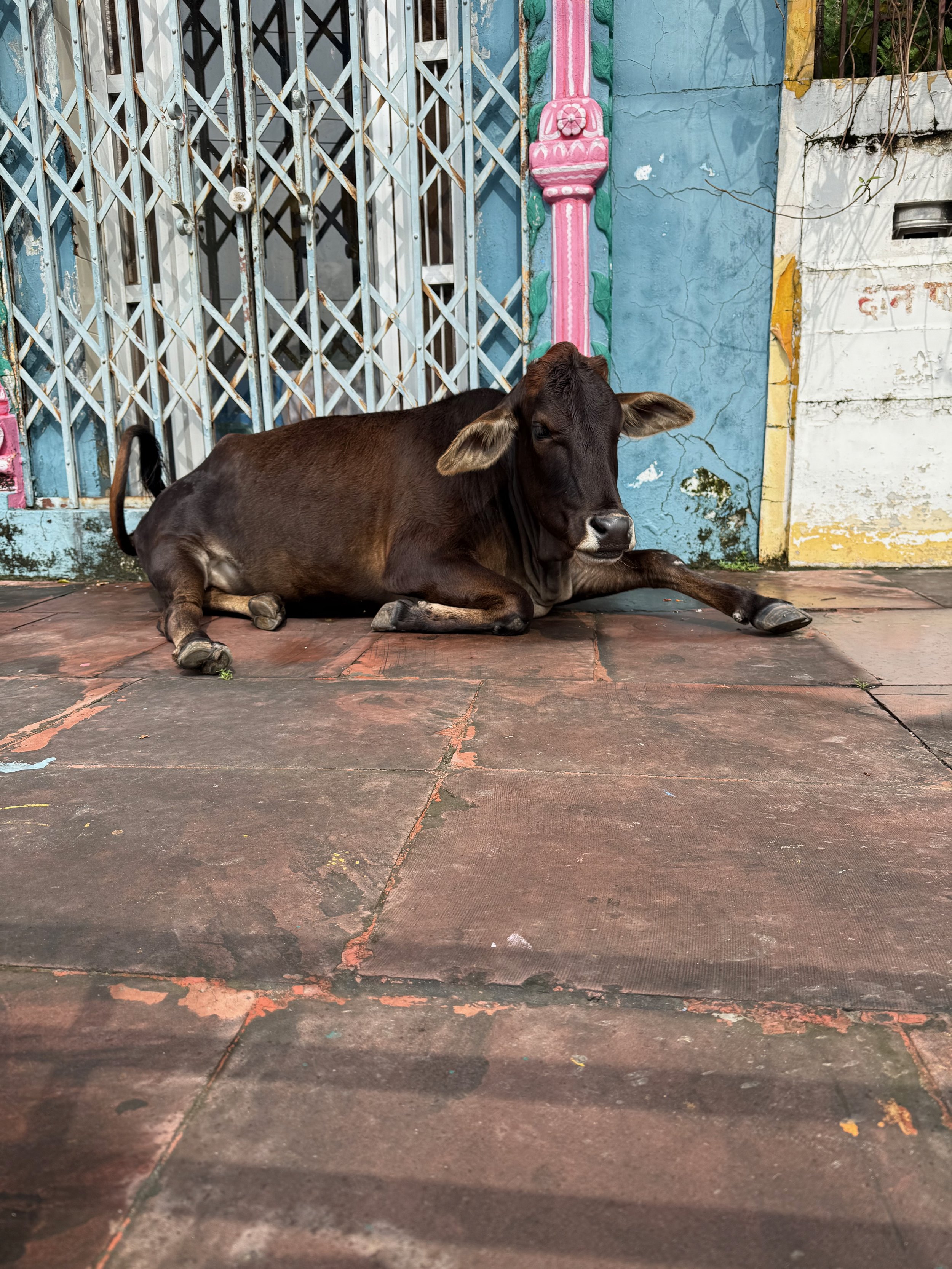
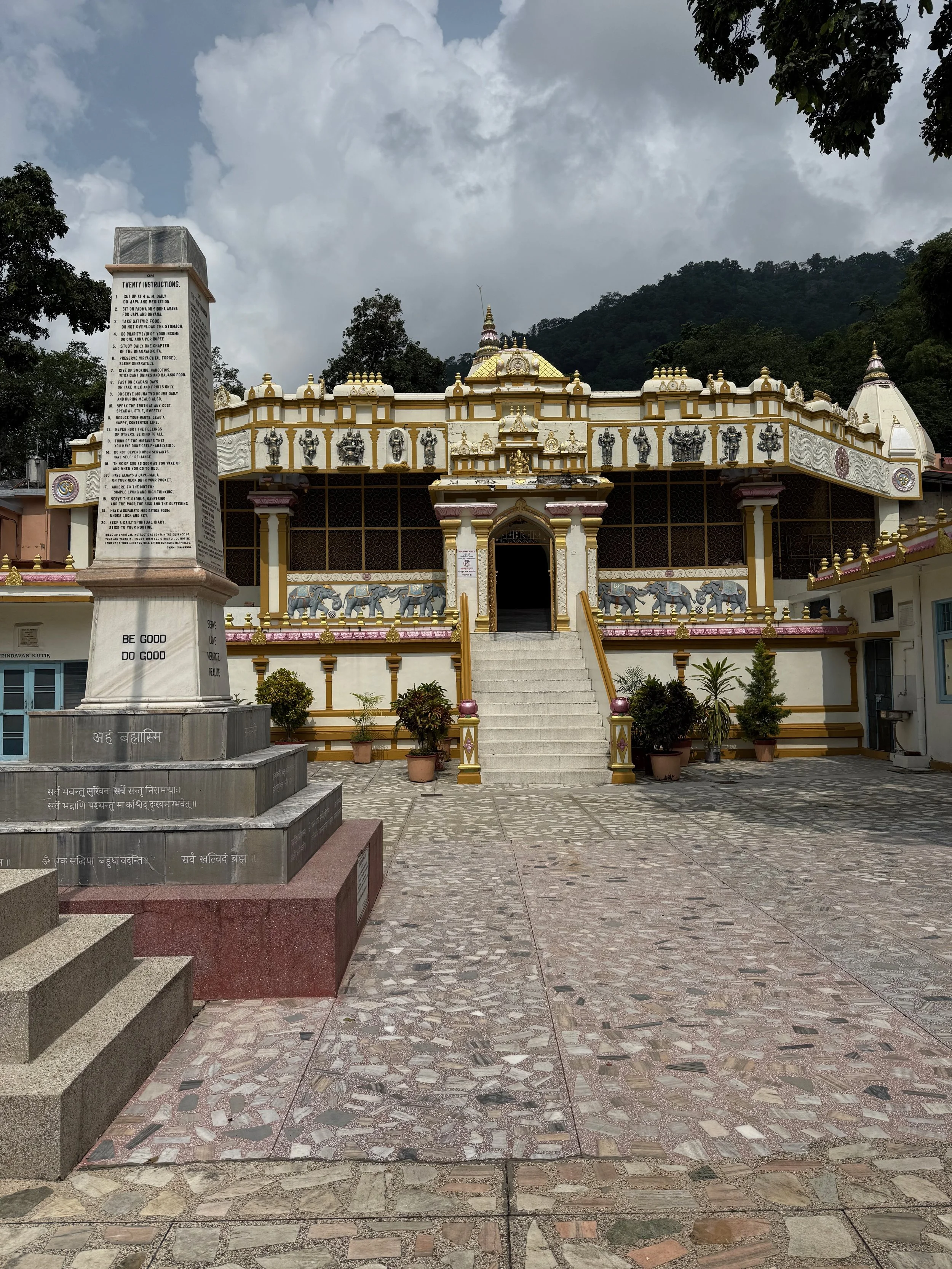
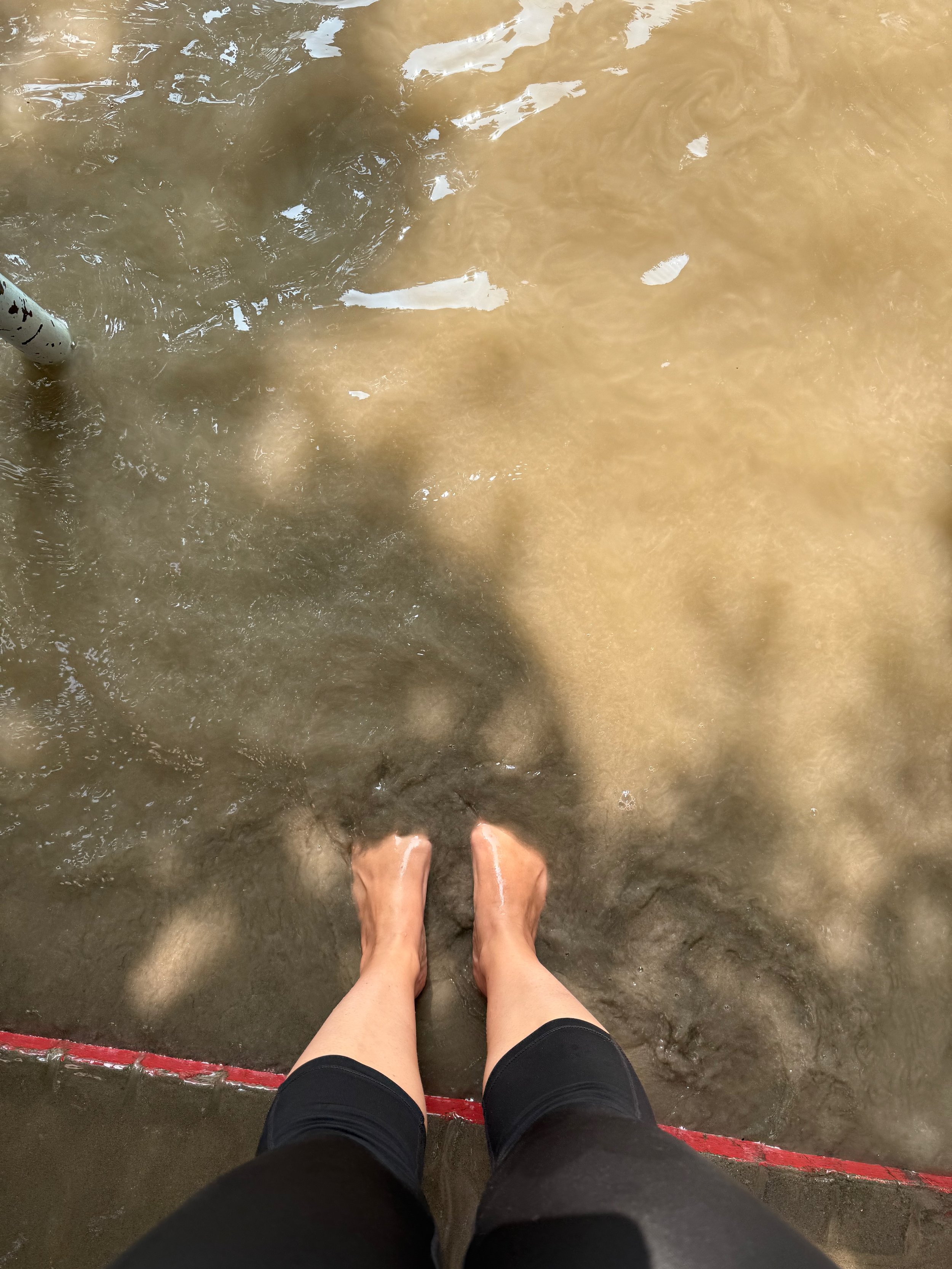
During free afternoons from Ashram life, we explored more of Rishikesh: walking along the sacred Ganga, visiting the peaceful Swami Sivananda Ashram, and soaking up the spiritual atmosphere. Free for visitors.
🎸 Chaurasi Kutia (Beatles Ashram)
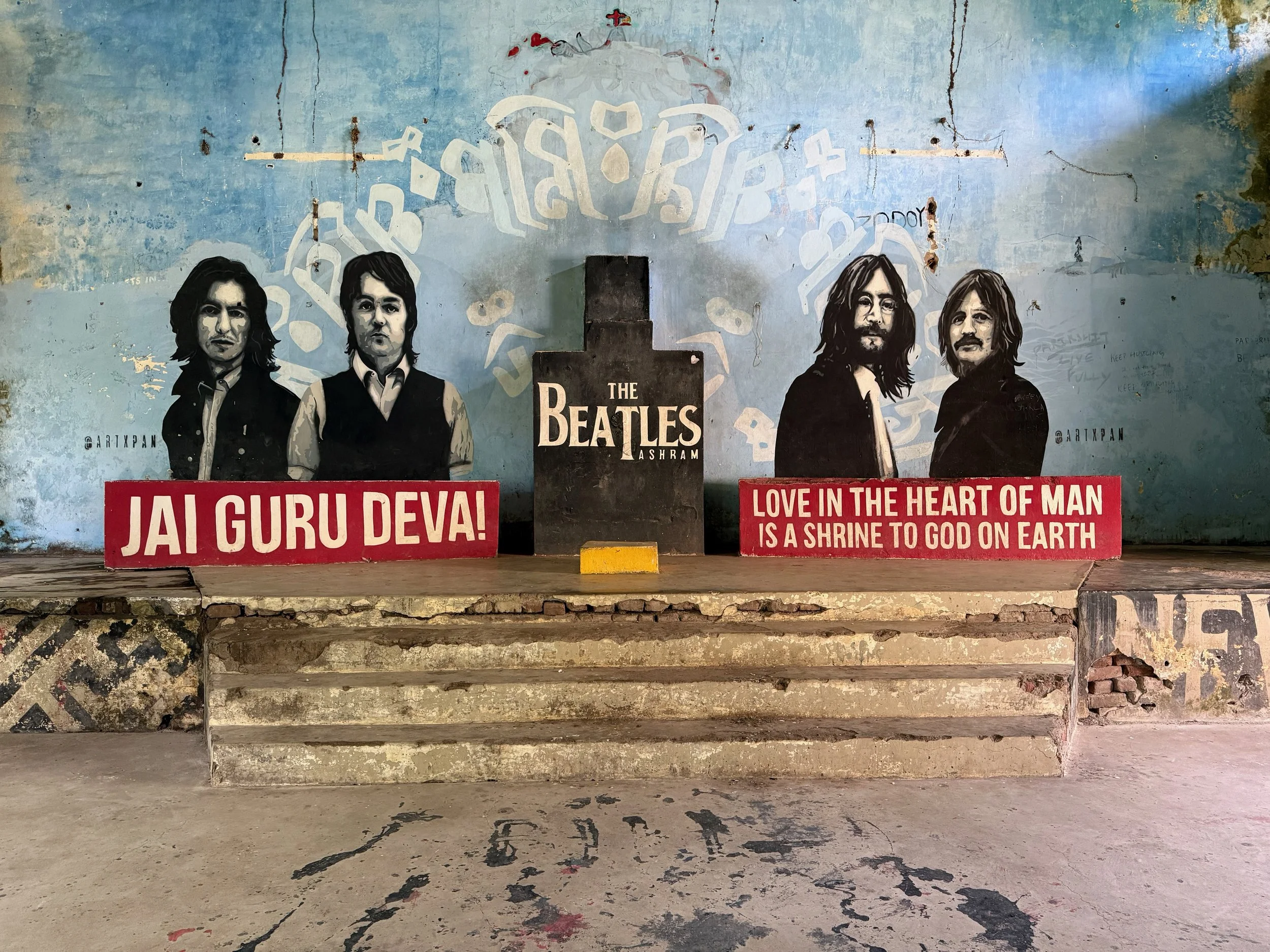
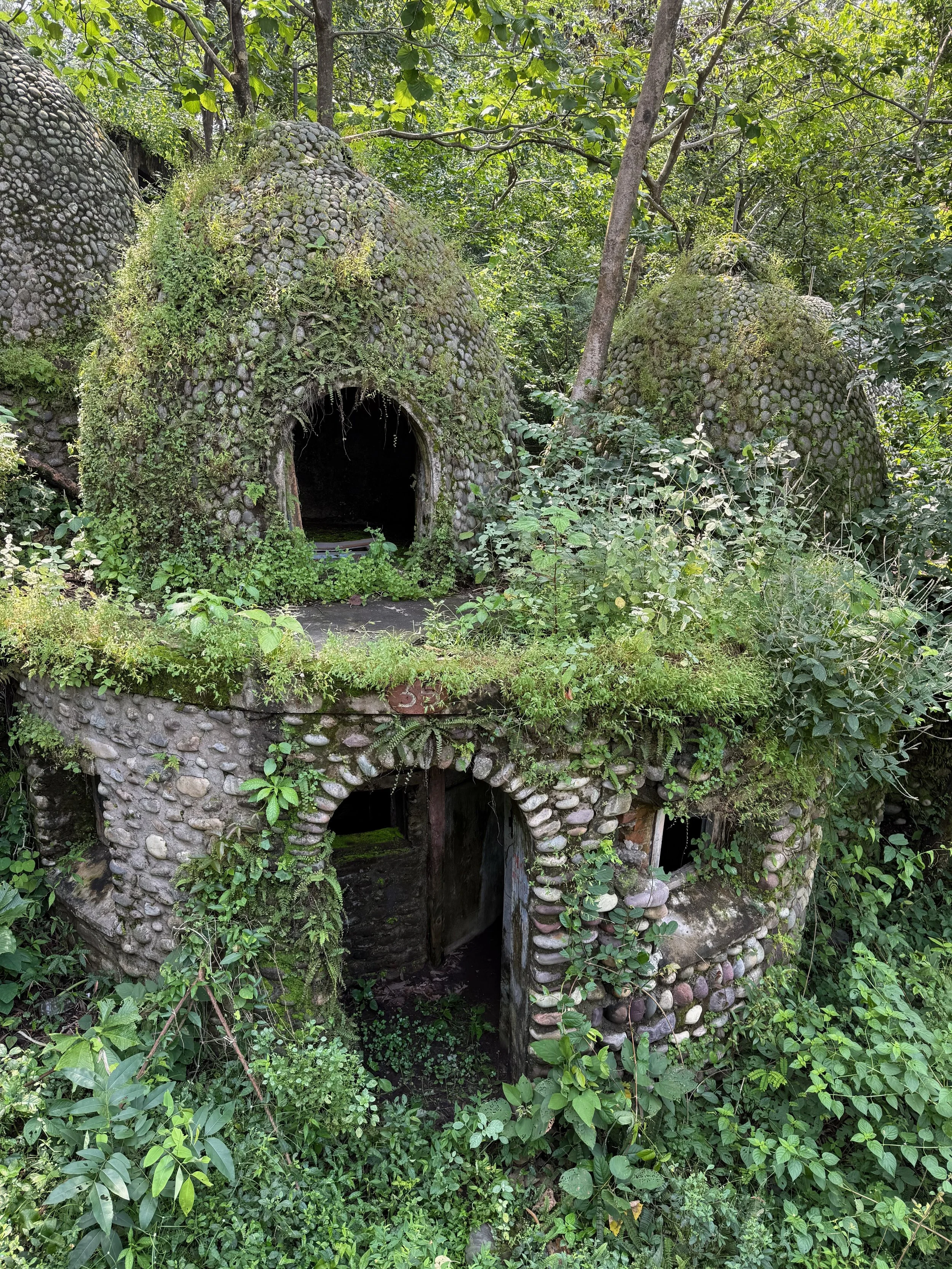
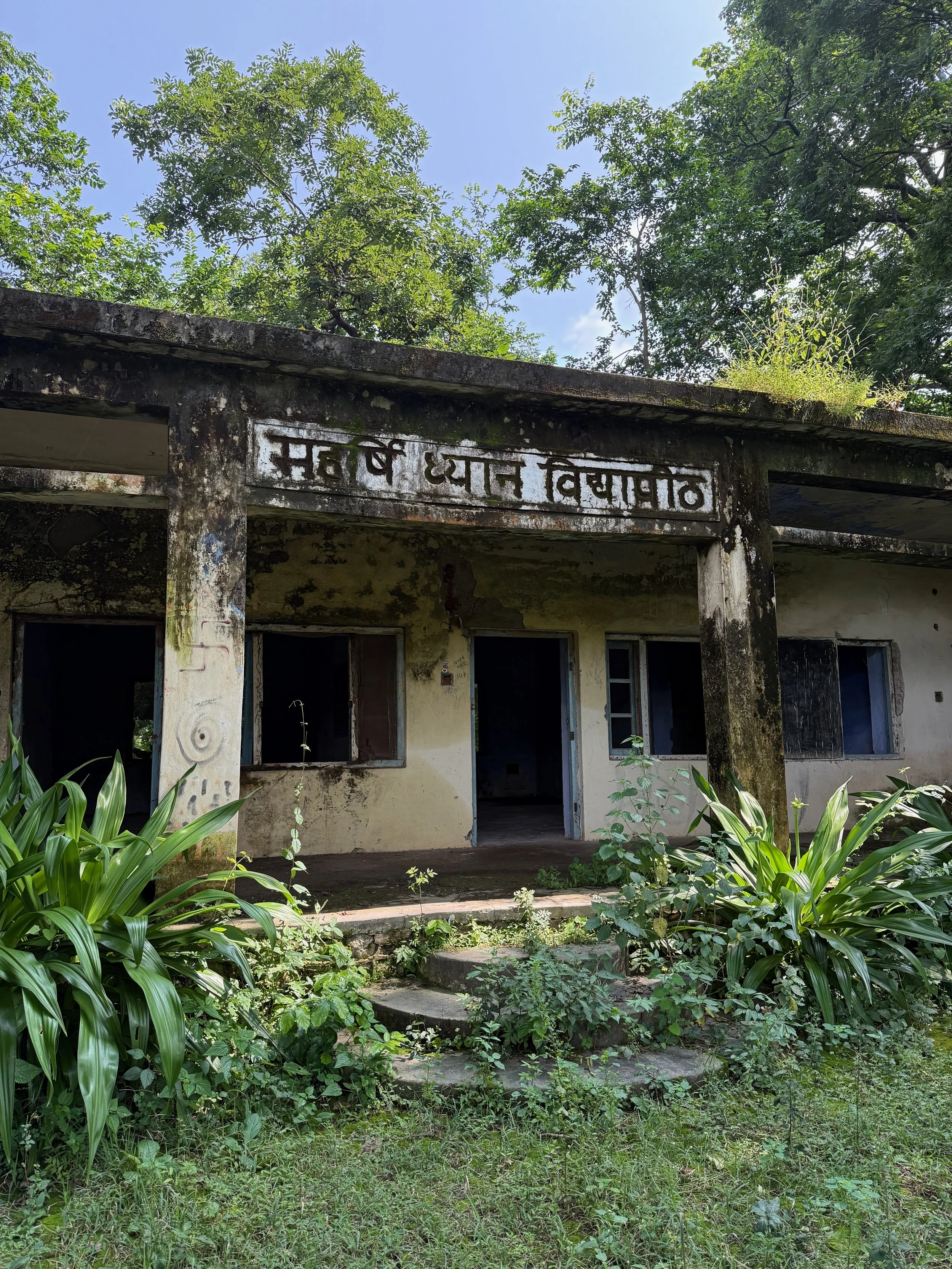
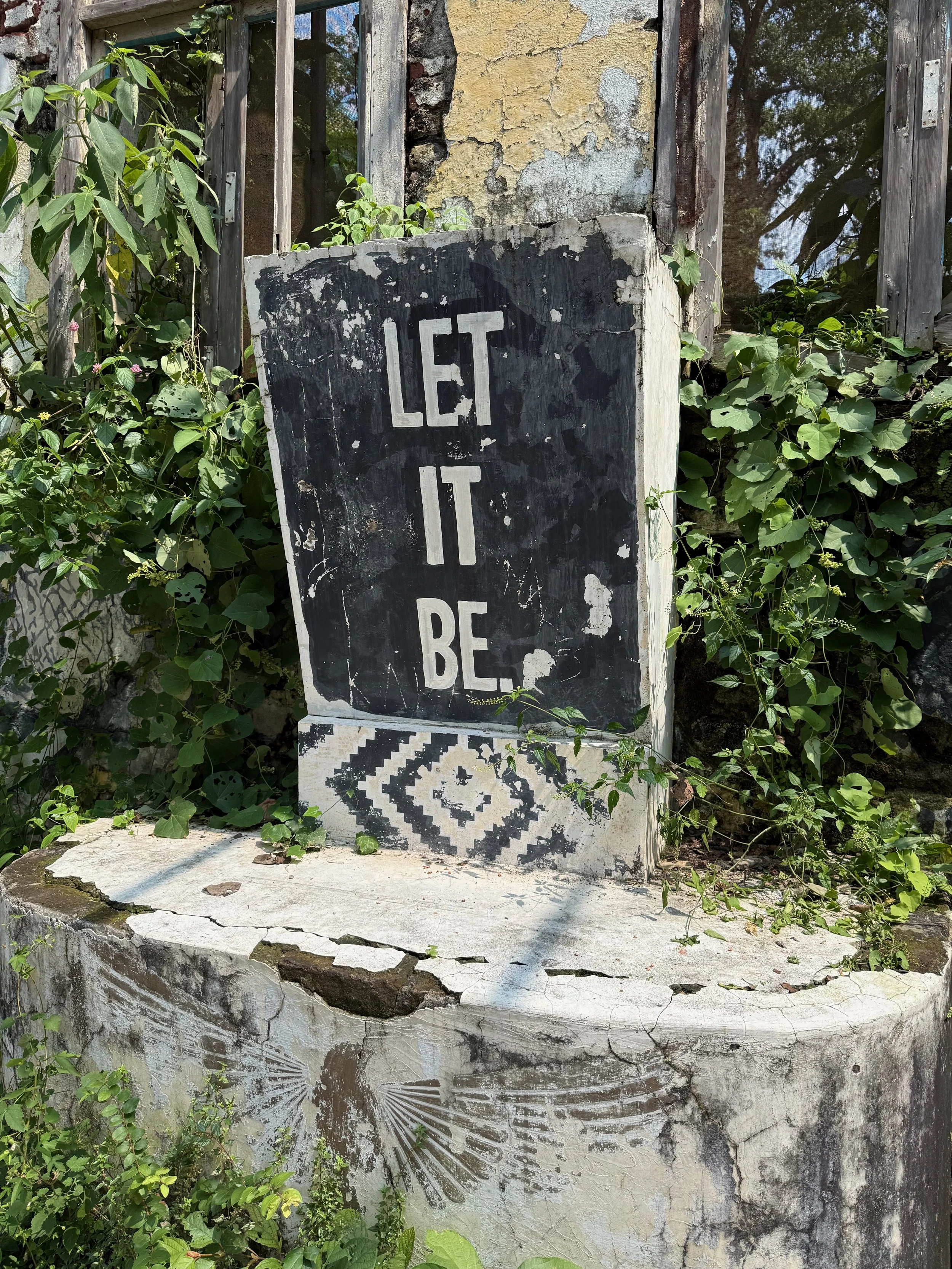
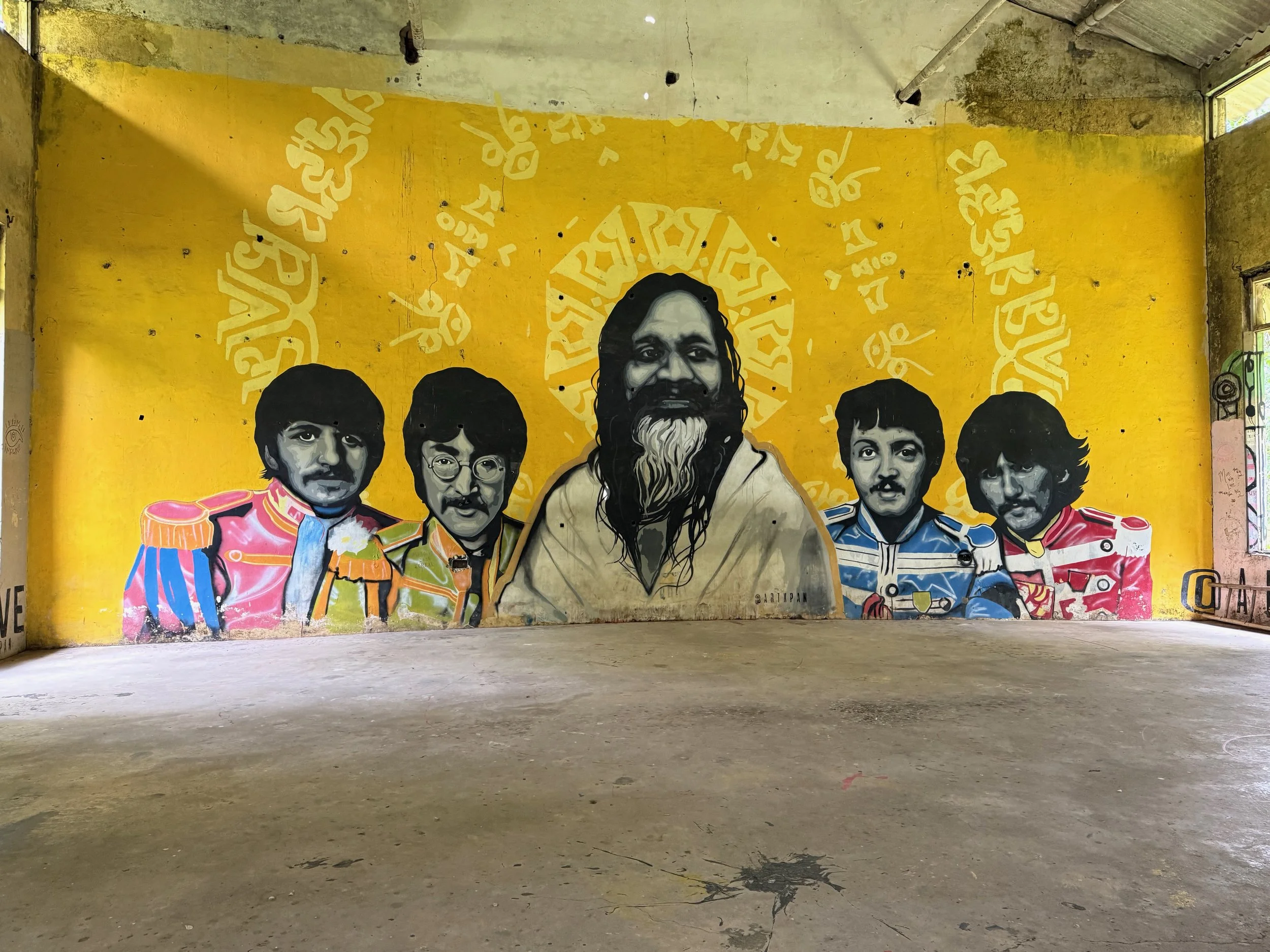
Officially called the Maharishi Mahesh Yogi Ashram, it became globally famous in 1968–1969 when The Beatles visited to study Transcendental Meditation. The ashram played a pivotal role in inspiring songs and contributed to the global popularity of meditation. The ashram is now mostly in ruins, with nature slowly taking over the old buildings. The walls are covered with colorful murals, graffiti, and artwork by visitors. Located in forests near the Ganges, it offers quiet trails, meditation spots, and a mystical vibe, making it perfect for photography and exploration. Small entry fee: 100-150 IDR.
🌅 Sunrise at Kunjapuri Devi Temple
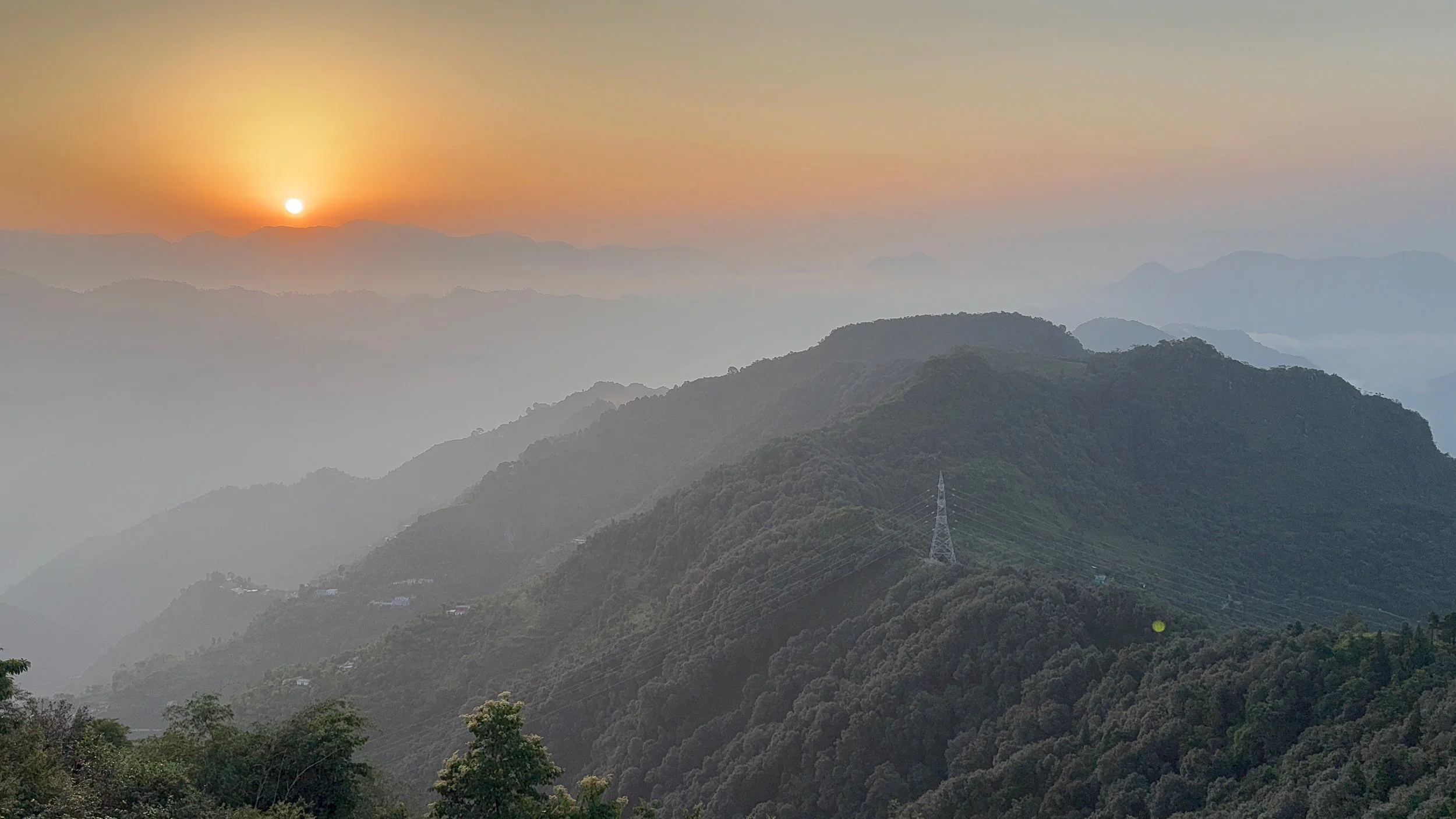
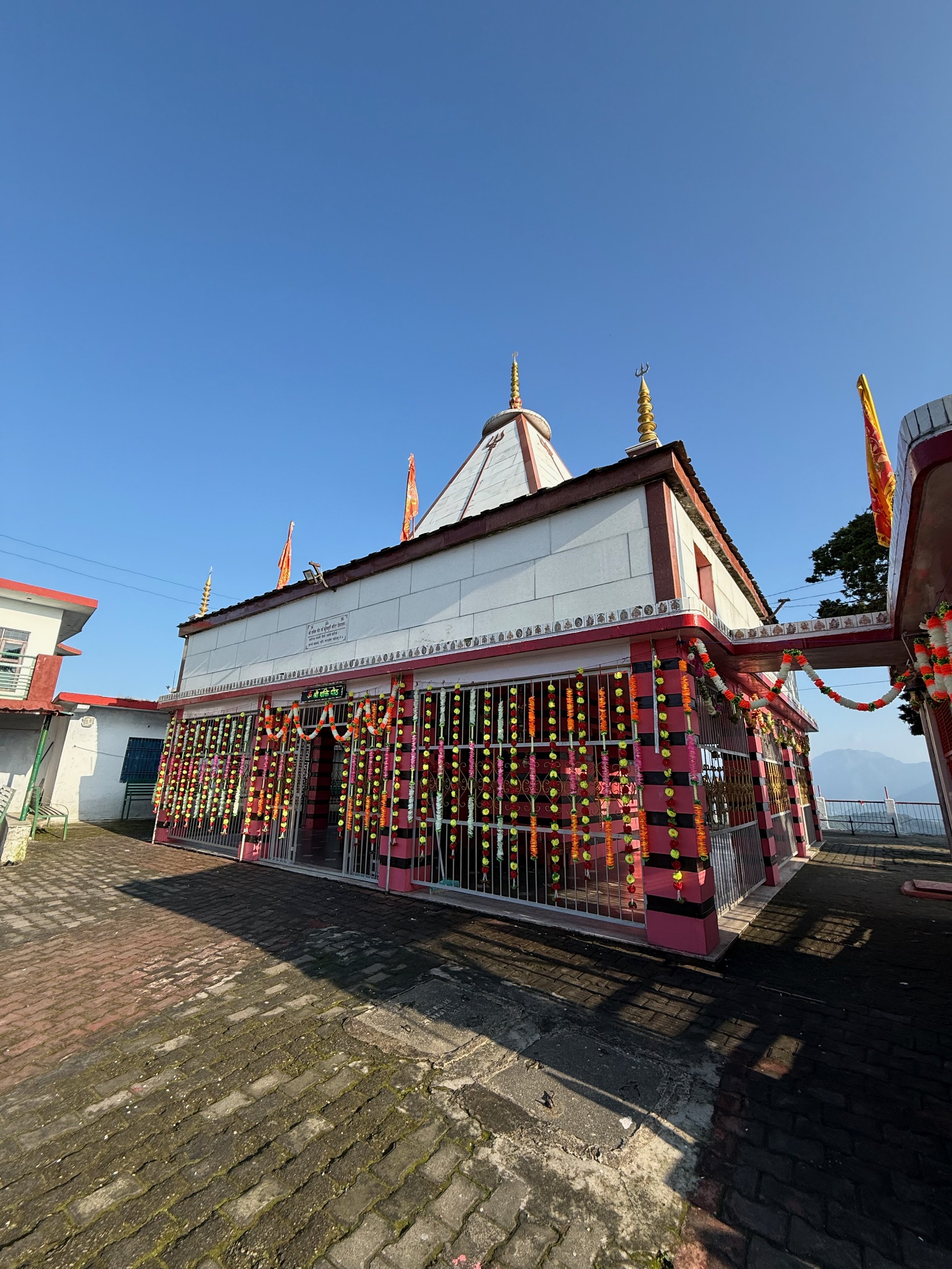
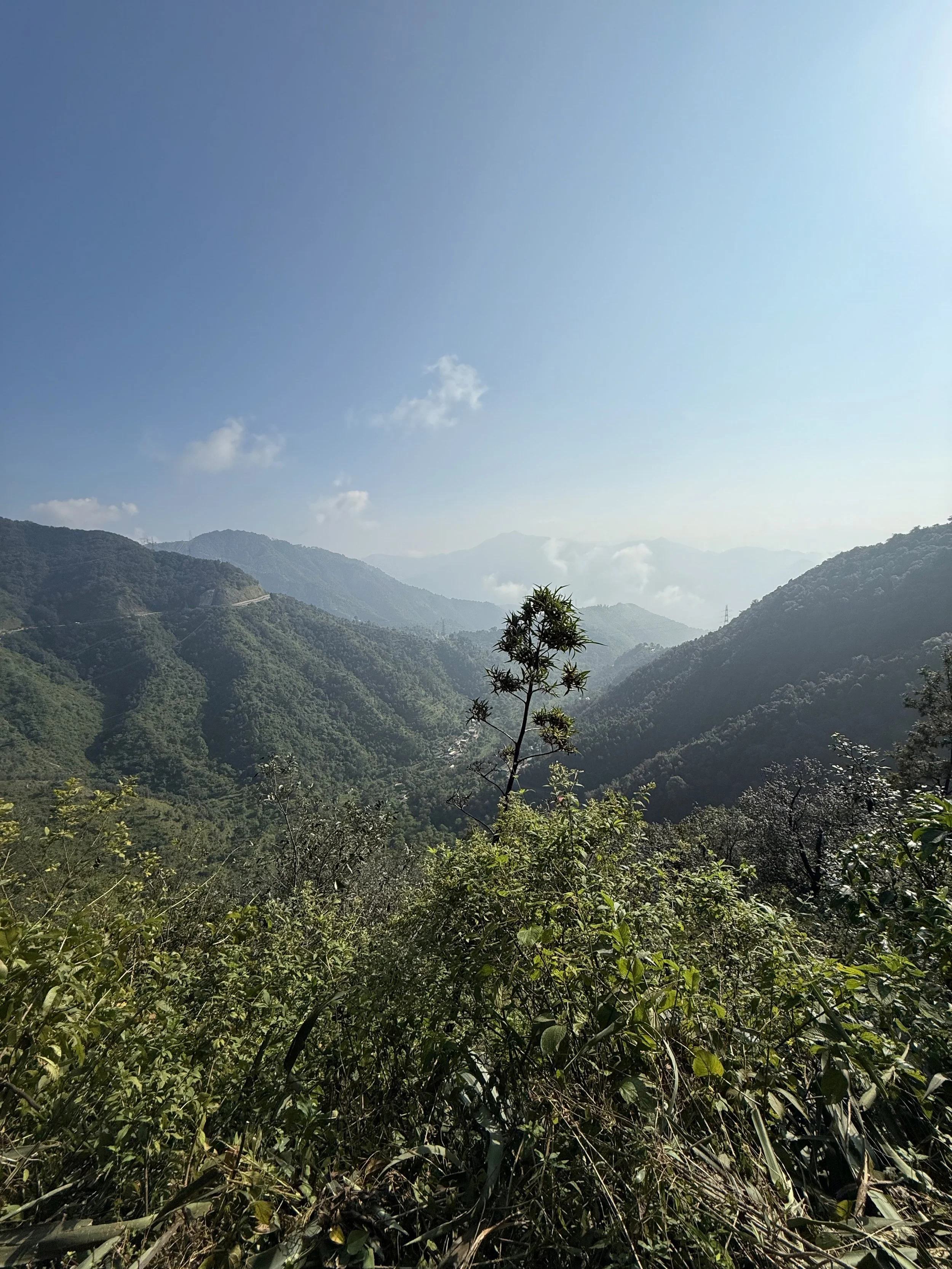
One of the highlights of Rishikesh was driving up to Kunjapuri Devi Temple before dawn. Watching the sun rise over the Himalayas felt absolutely unforgettable. Dedicated to Goddess Kunjapuri (a form of Shakti), this temple is considered a sacred Shakti Peeth and is visited by devotees for blessings and spiritual fulfillment. Situated at around 1,650 meters (5,400 feet) above sea level, the temple offers panoramic views of the Himalayan peaks and the Ganges valley below. Entry is free.
🕳️ Vasishta & Arundhati Caves
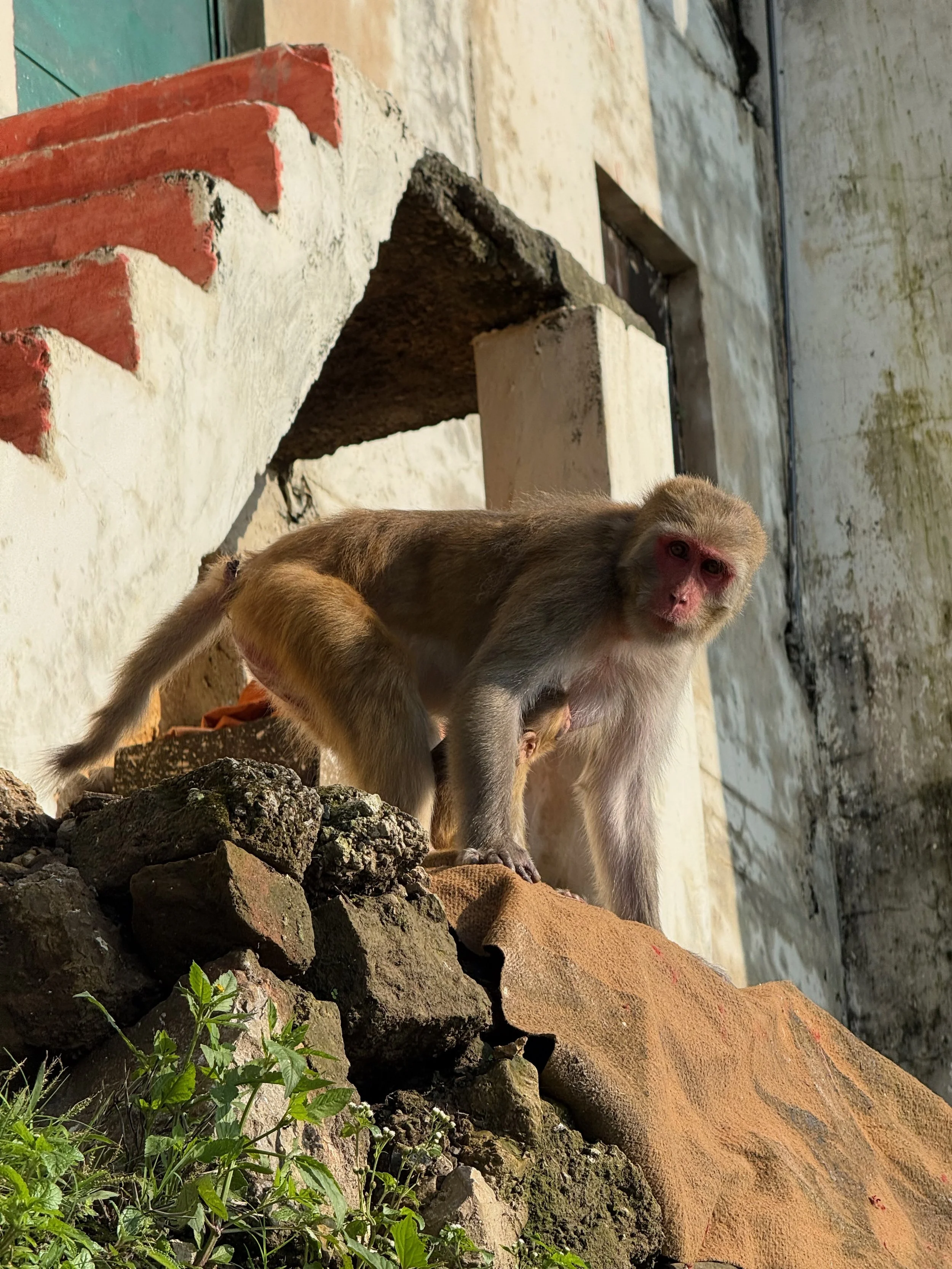
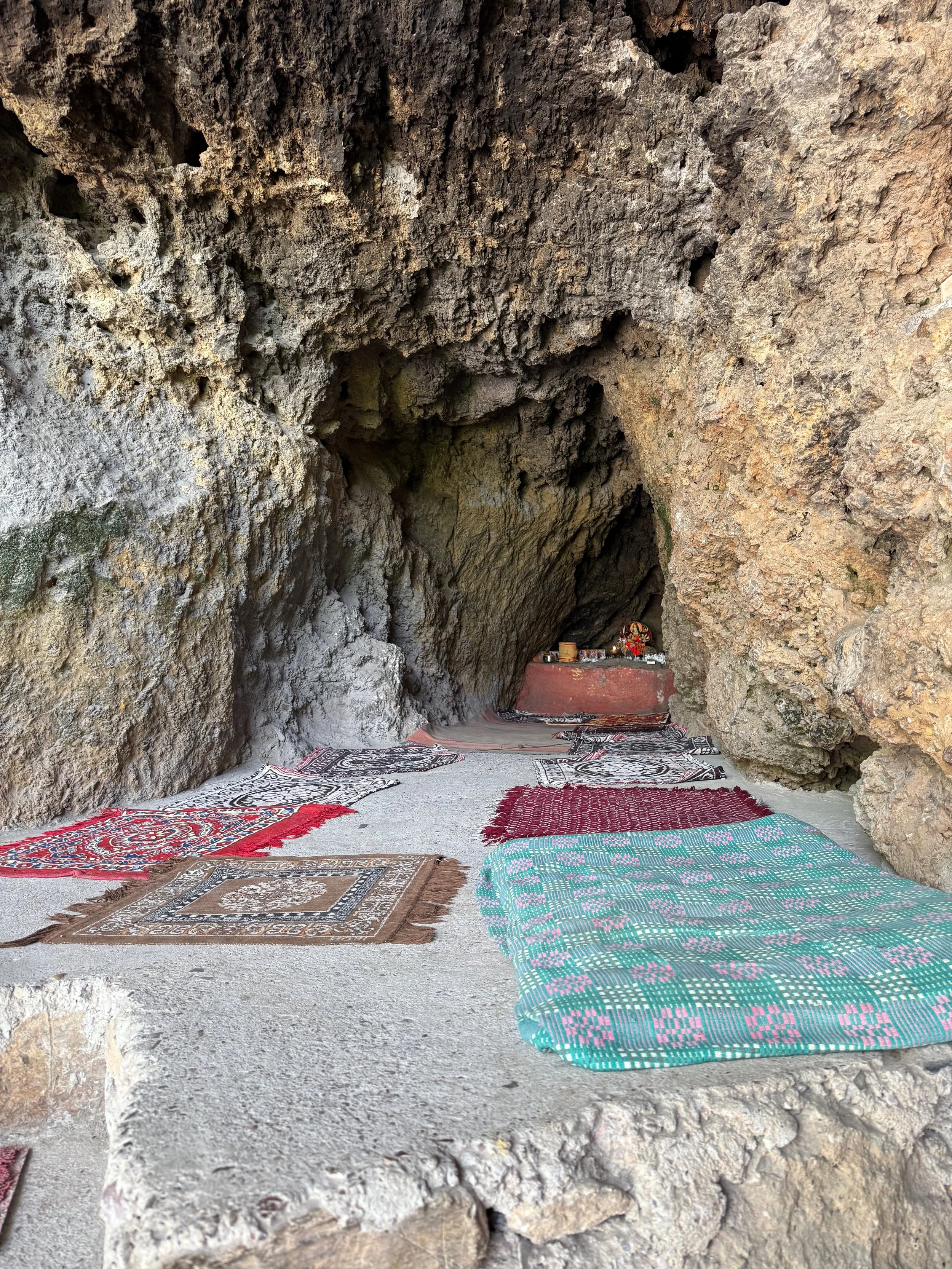
We visited the peaceful caves associated with ancient sages. Believed to be the meditation spot of Sage Vasishta, one of the revered sages in Hindu tradition. Devotees come here for prayer, meditation, and spiritual reflection. Named after Sage Vasishta’s wife, Arundhati, this smaller cave is considered equally sacred and often visited together with Vasishta Cave. The caves provide a serene environment for meditation, introspection.
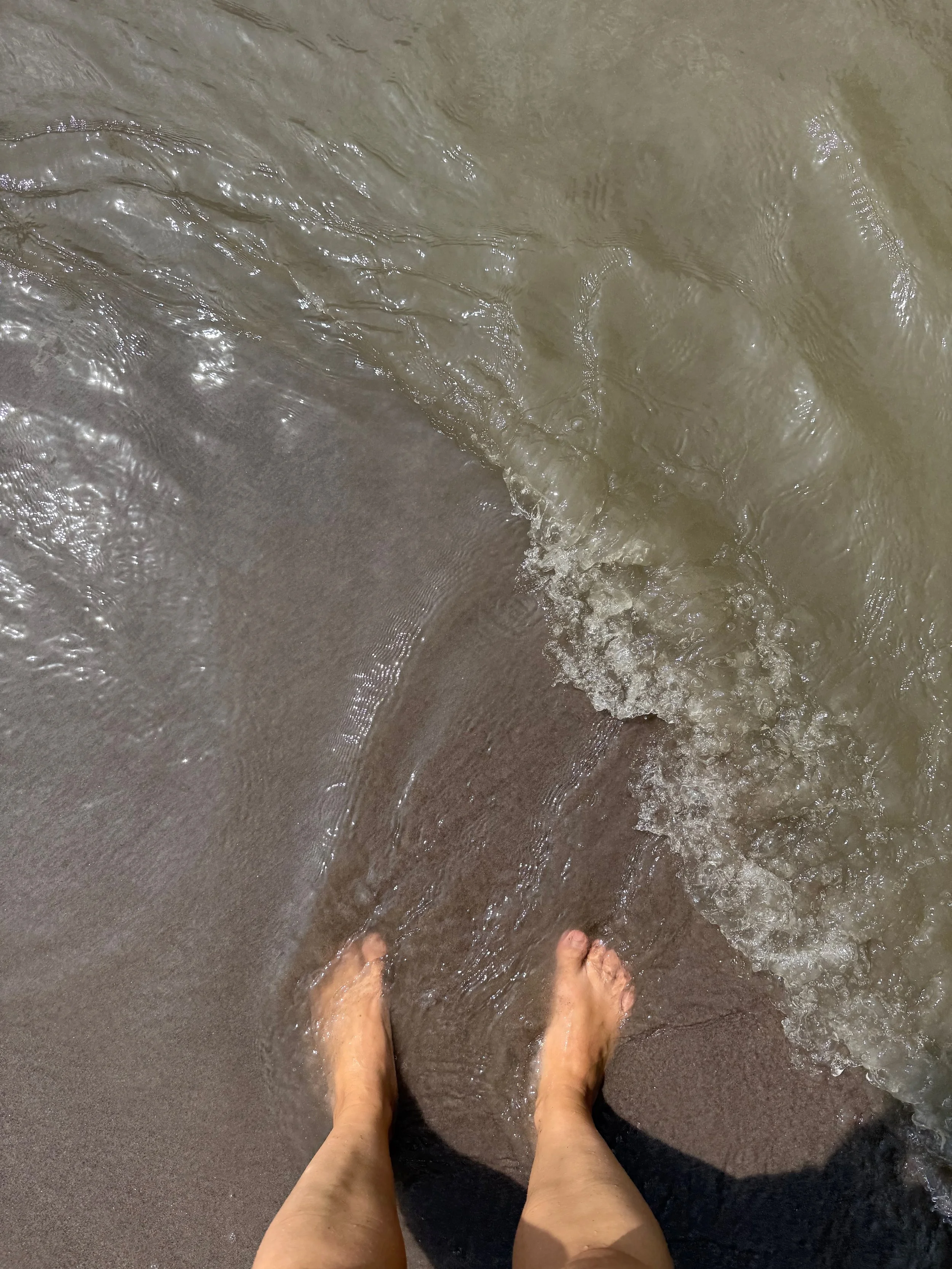
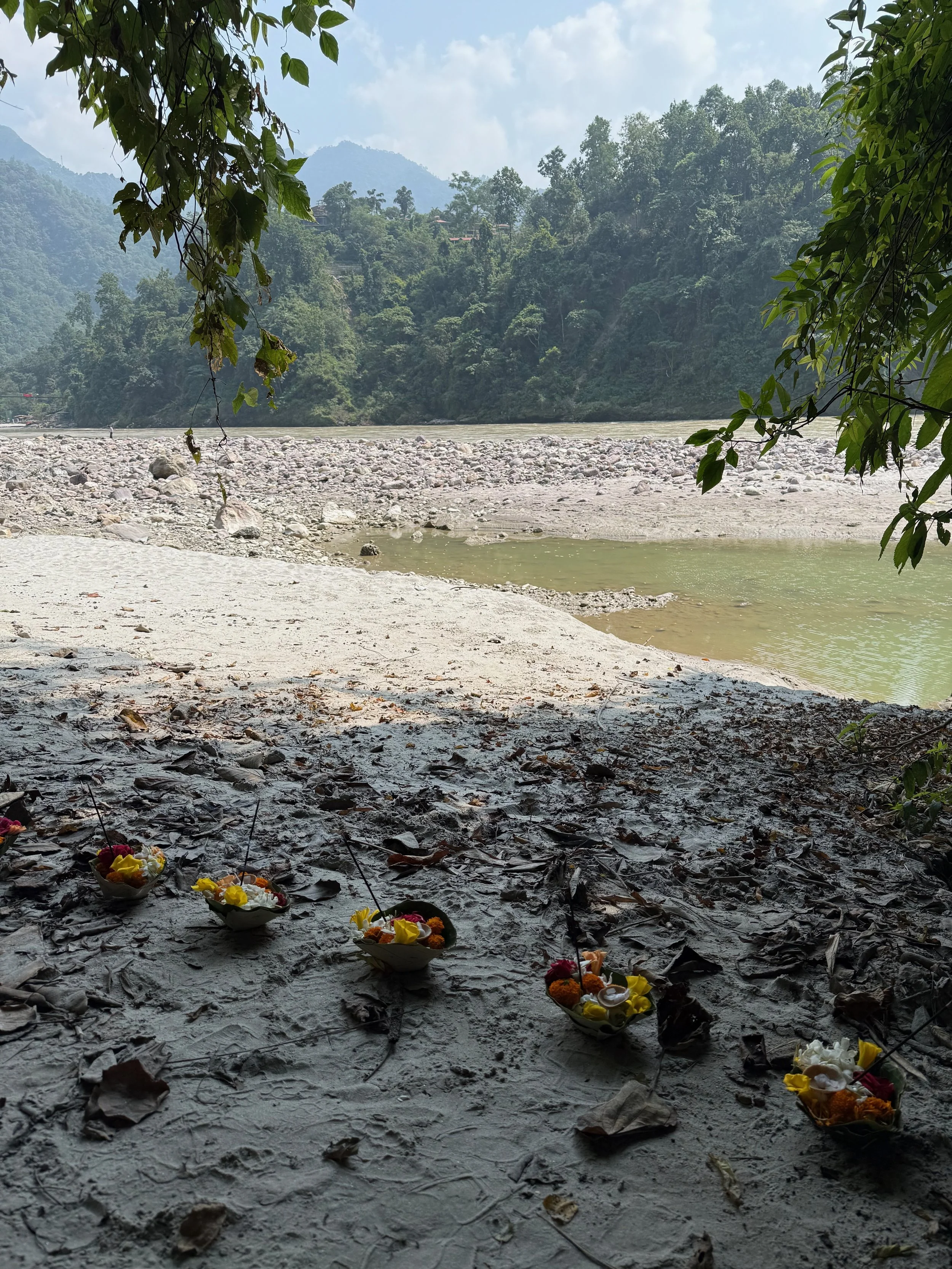
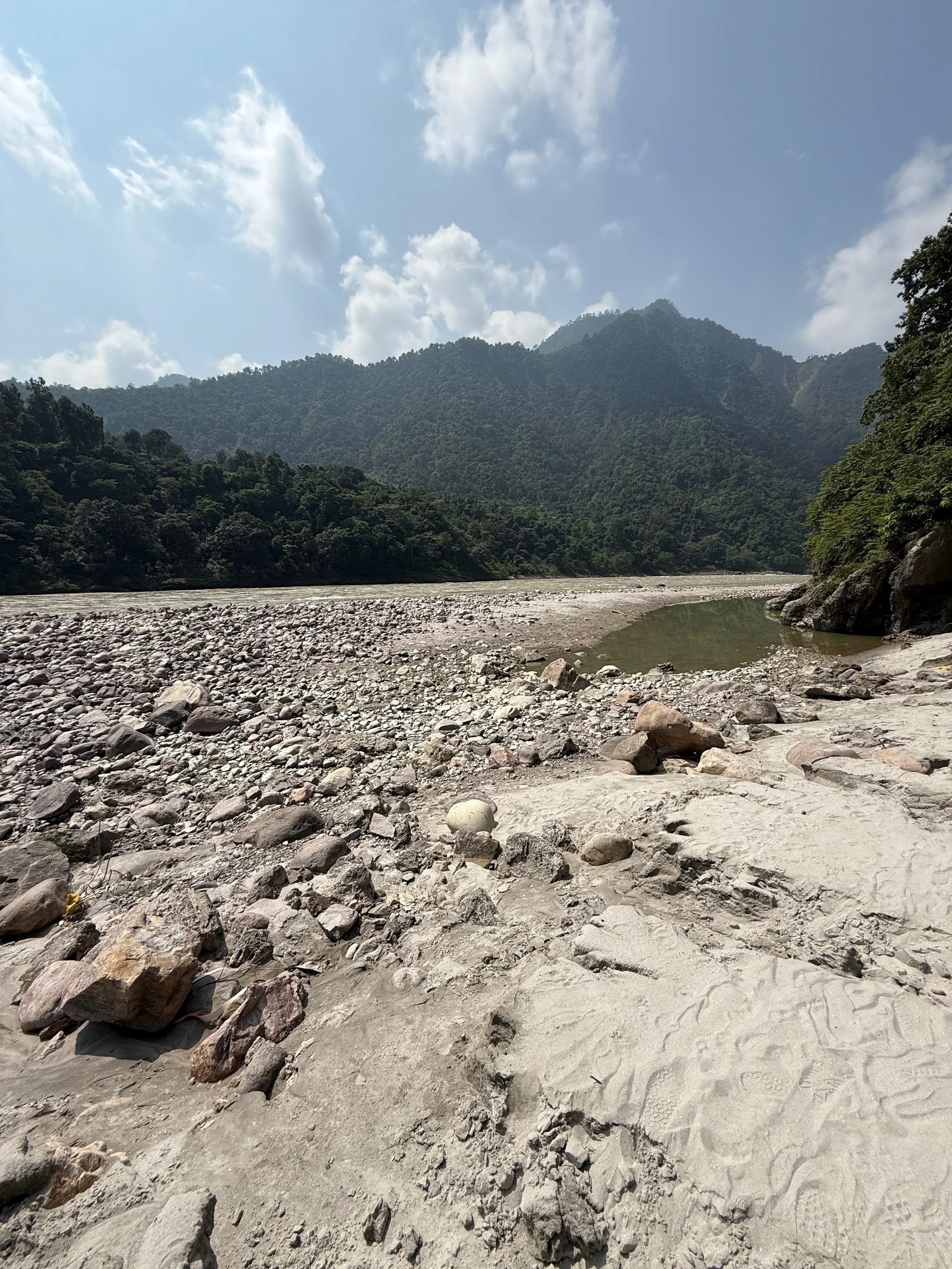
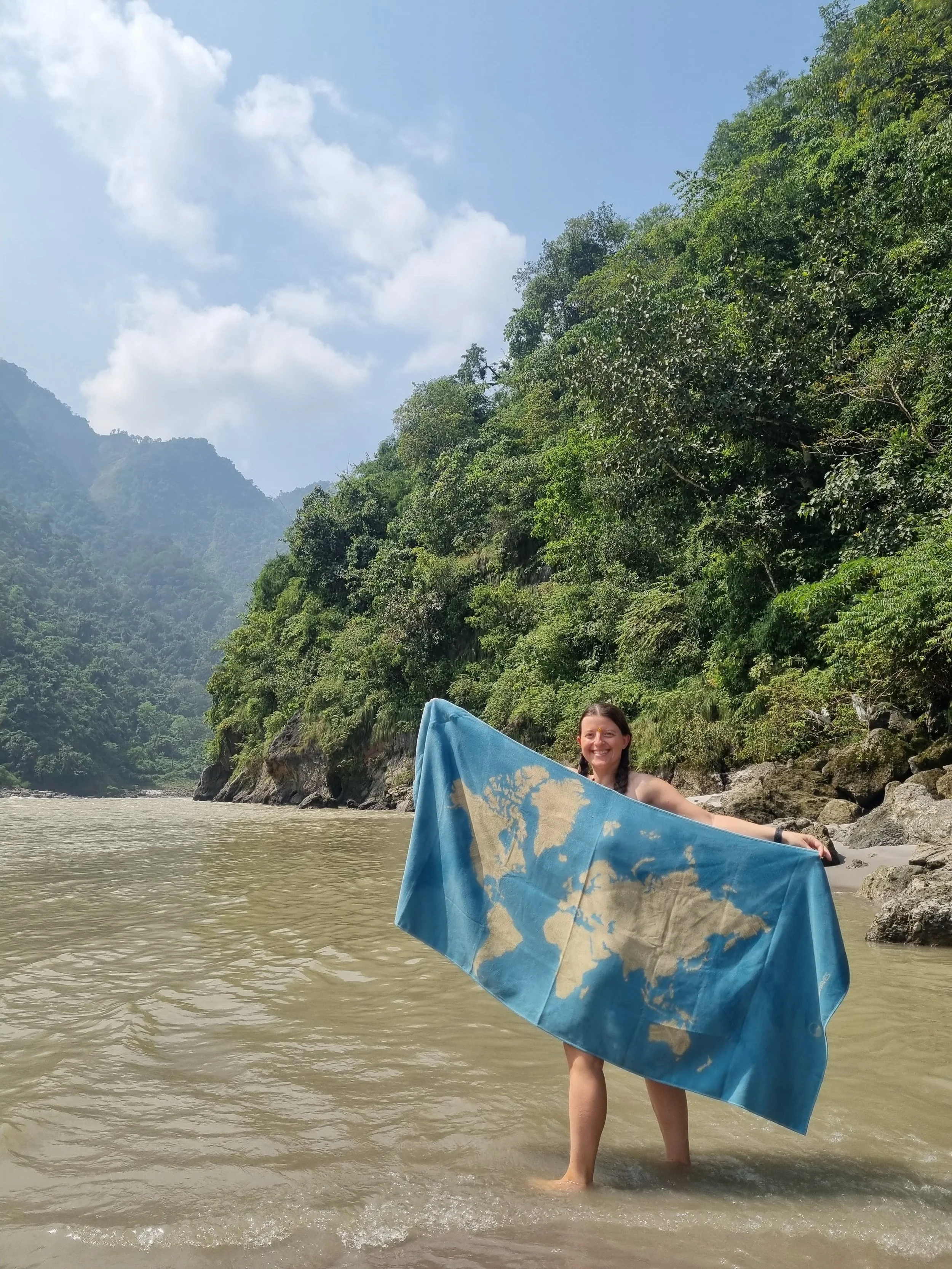
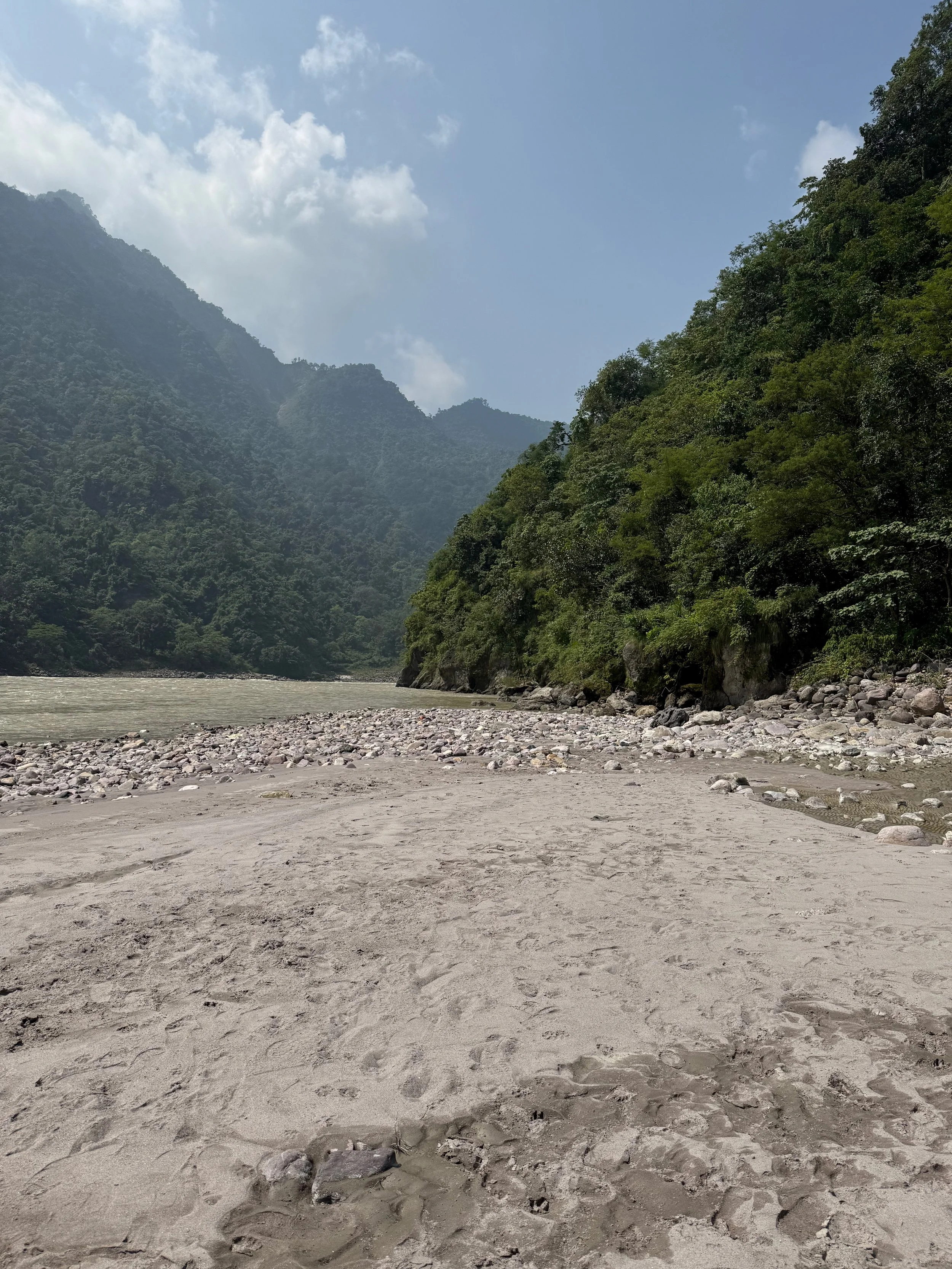
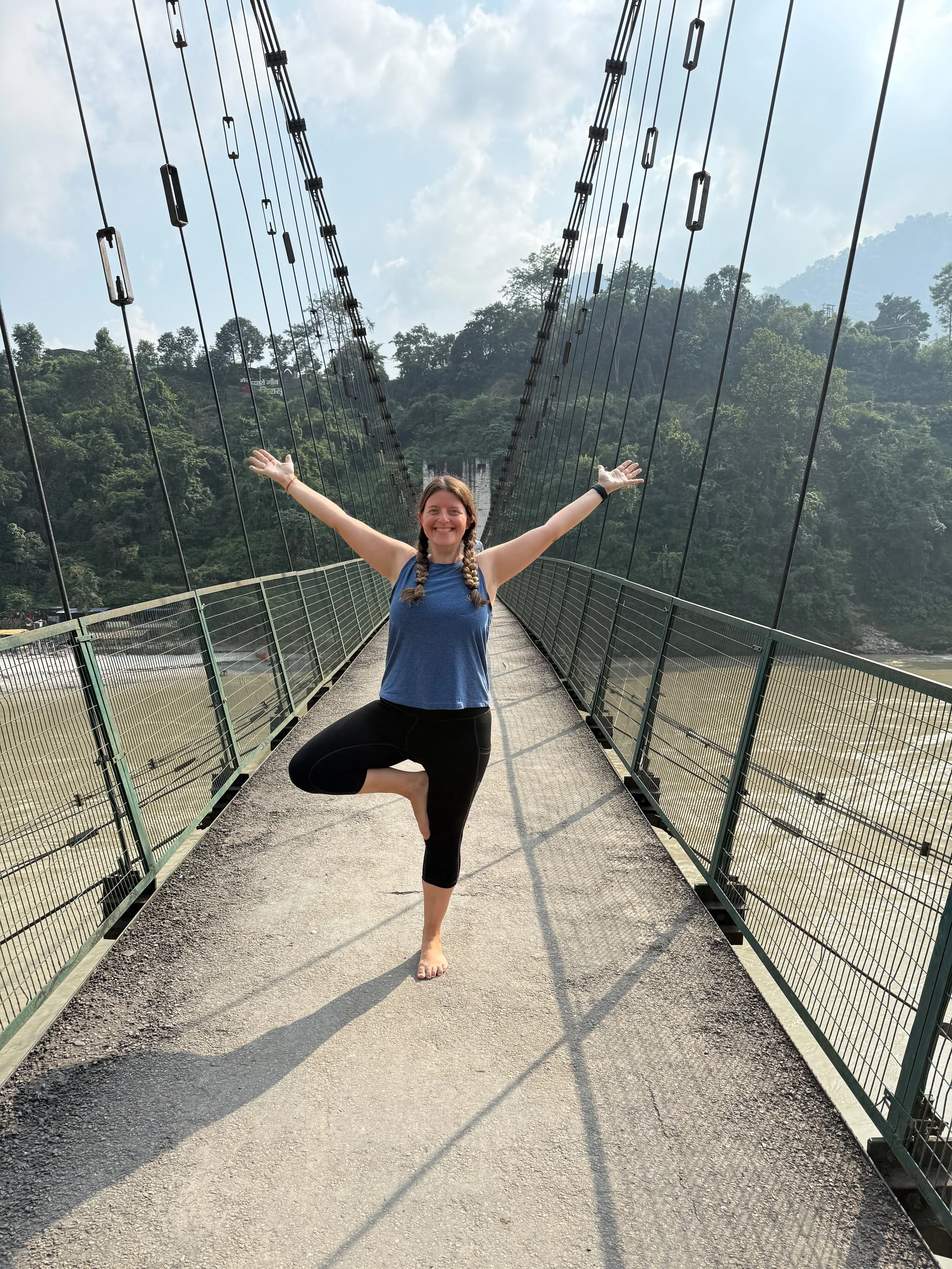
After mediation we took a refreshing dip in the Ganga and a stop at Sirasu Bridge - a quiet, scenic area far from the crowds.
🚩 Day Trip to Haridwar
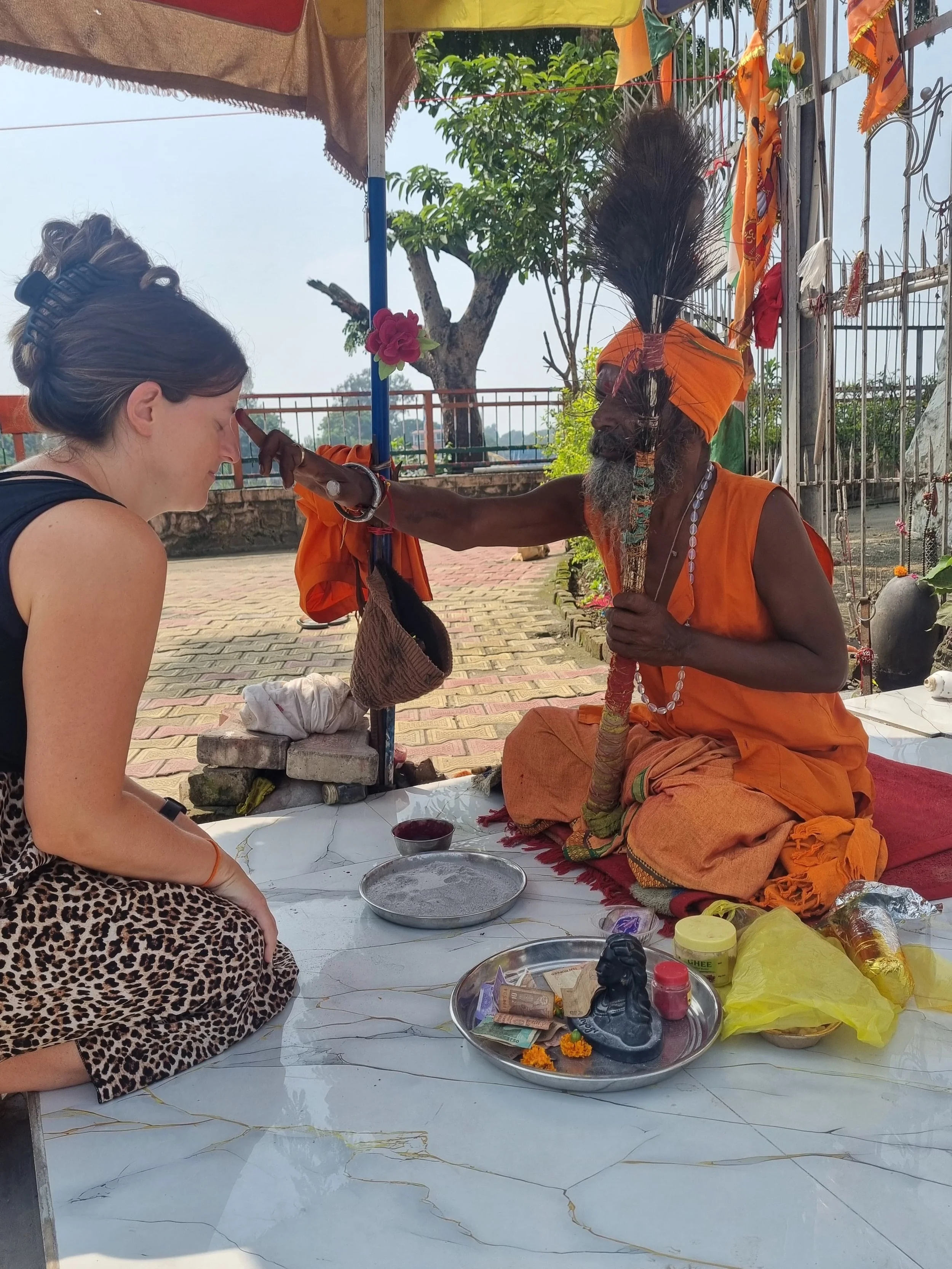
Haridwar is vibrant, loud, colorful, and one of the holiest cities in India. Our stops included:
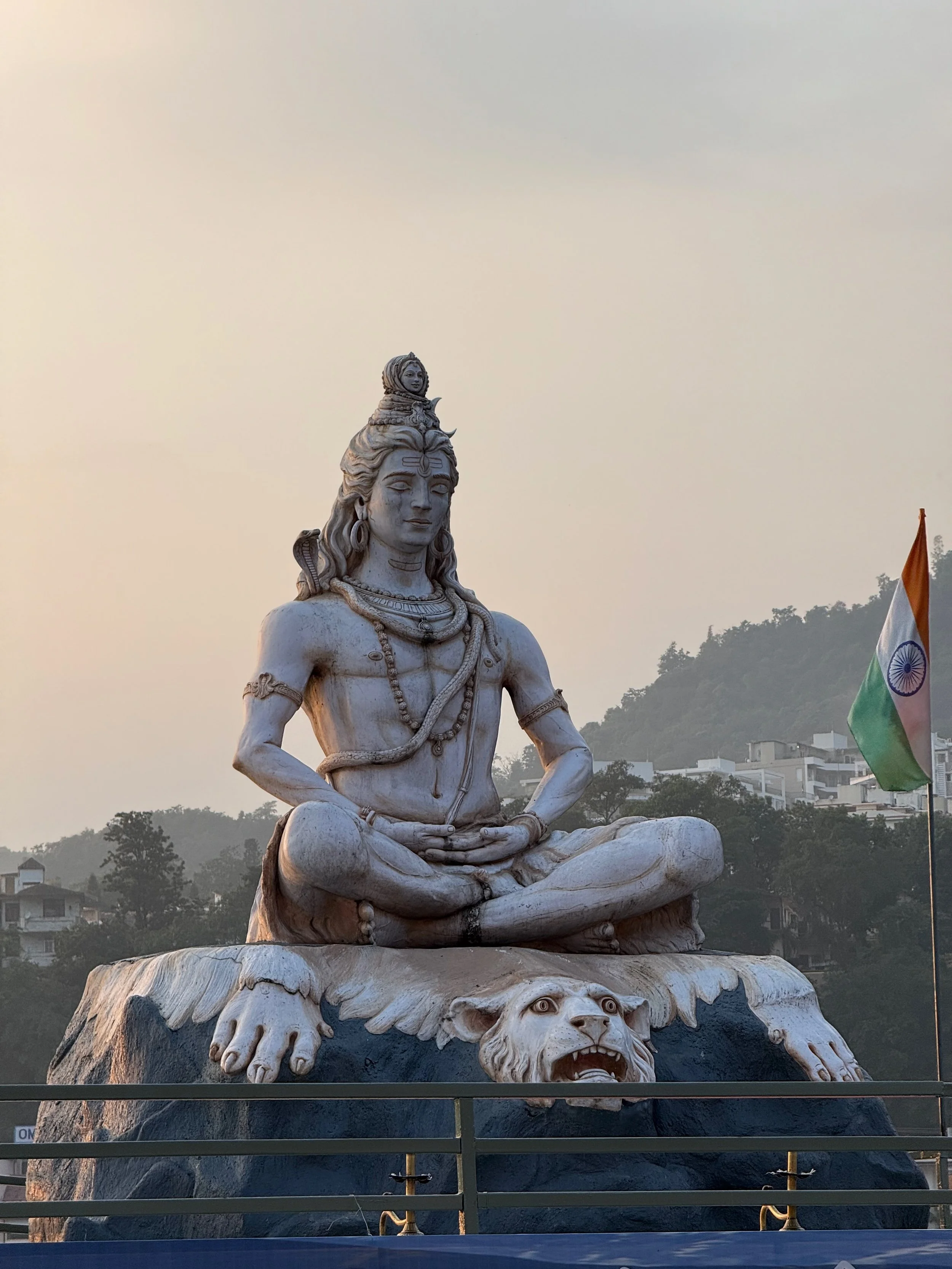
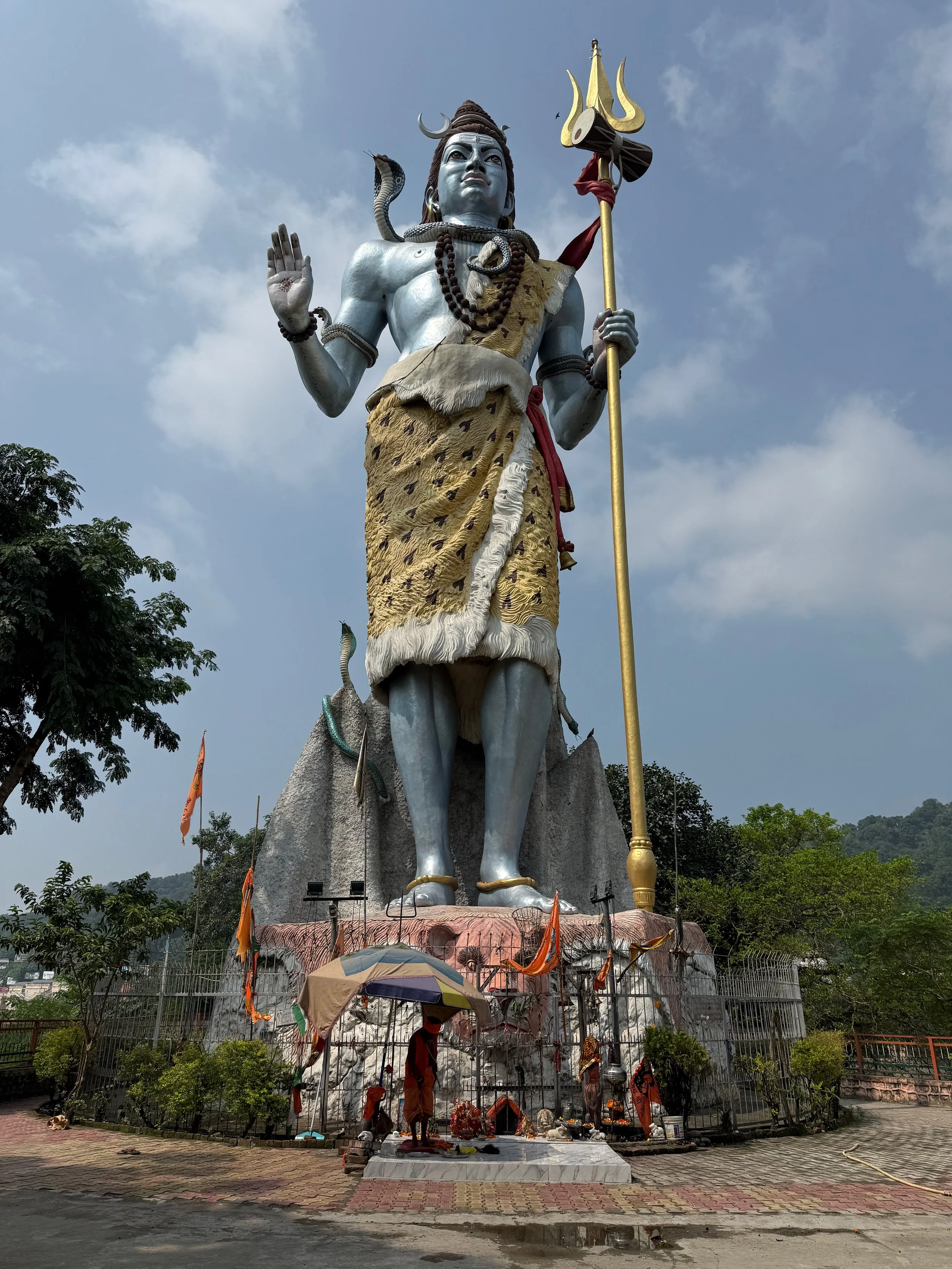
Huge Shiva statue
Located near Har Ki Pauri and on the outskirts of Haridwar, this 148‑ft (45‑meter) tall statue depicts Lord Shiva in a meditative pose. It represents peace, meditation, and spiritual power.
Shri Anandamayi Ma Ashram
Shri Anandamayi Ma (1896–1982) was a well‑known Indian spiritual saint and mystic, revered for her deep devotional presence and teachings on inner realization. The ashram includes a samadhi (memorial shrine) of Anandamayi Ma and spaces for devotees to meditate and connect with her presence. Located in Kankhal, Haridwar (about 6 km from central Haridwar)
Shiva Sati Murti Temple & Ghat
Hindu Temple, dedicated to Lord Shiva and Goddess Sati, this temple is a site for devotion, worship, and ritual offerings. It highlights the Shiva-Sati mythology, emphasizing divine energy and marital devotion. The temple is located adjacent to the Ganges River, where devotees can perform ritual baths, offerings, and ceremonial worship.
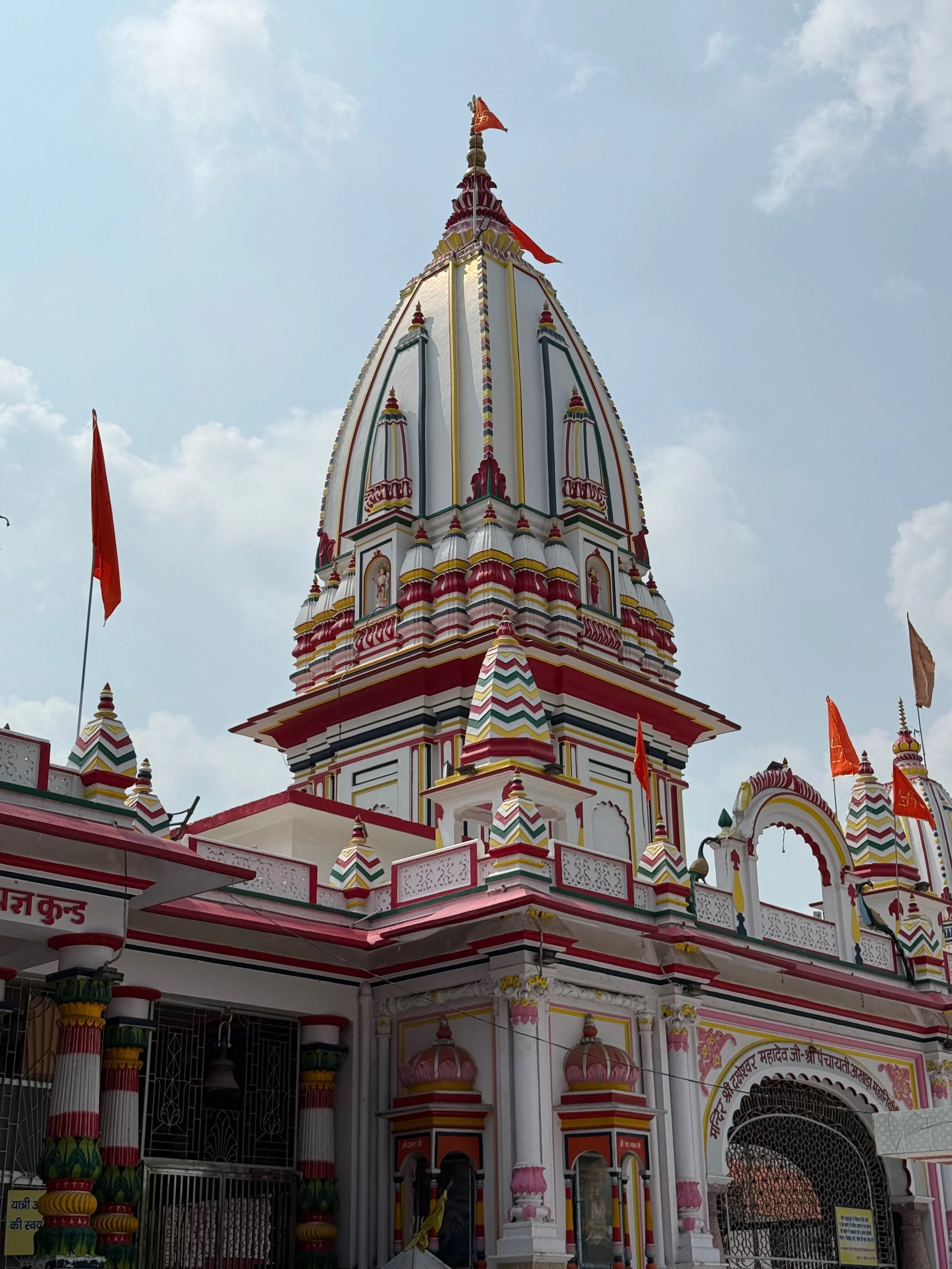
Chandi Devi Temple
Hindu Temple, dedicated to Goddess Chandi (a form of Durga), this temple is one of the holiest shrines in Haridwar. It’s believed to be over 1,000 years old and is a major pilgrimage site. The goddess Chandi is said to have slain demons here, making the temple a symbol of divine power and protection.
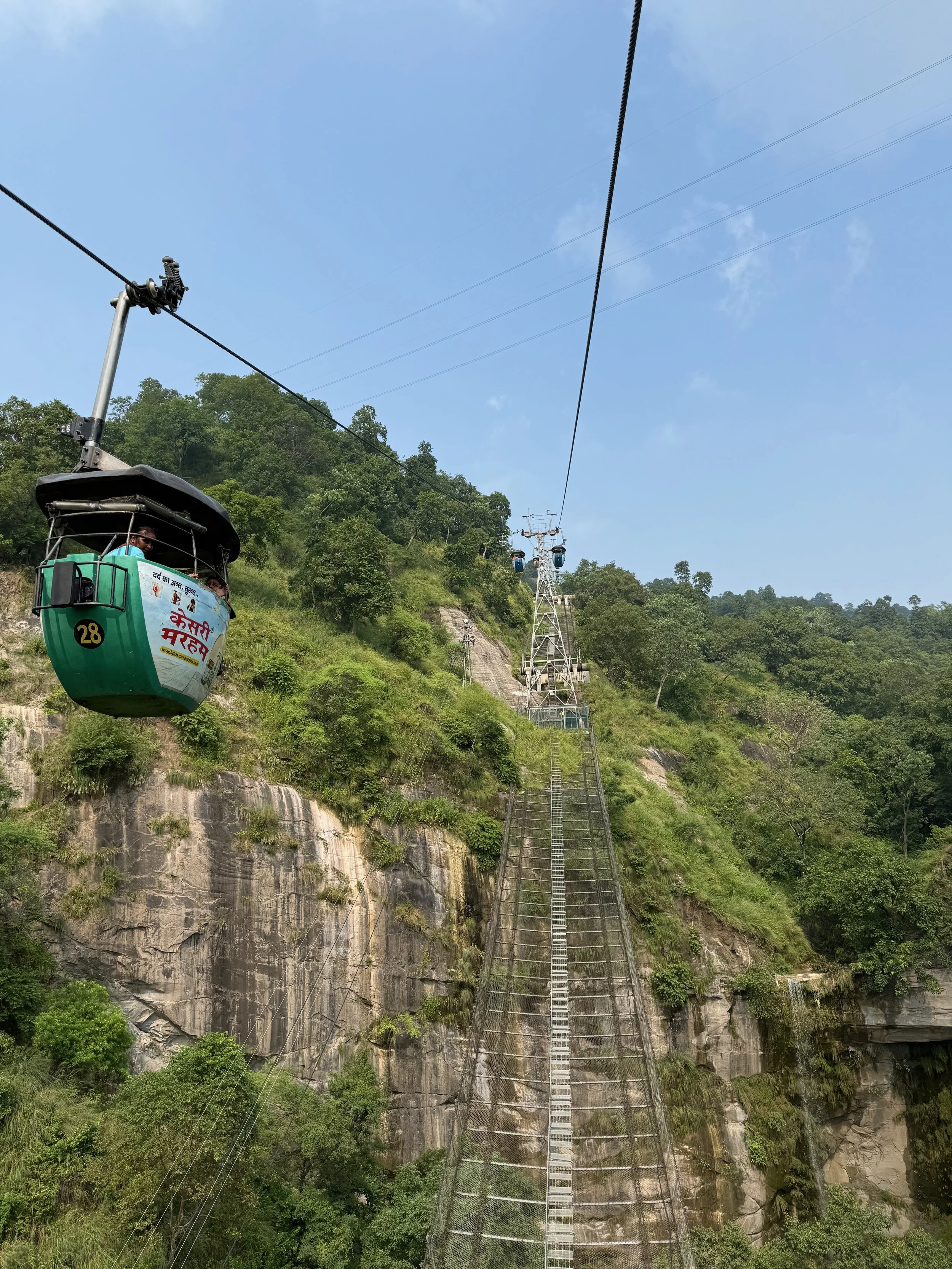
It’s a hilltop temple, located atop Neel Parvat on the Bilwa Parvat, and offers panoramic views of Haridwar city and the Ganges River. It is reachable via cable car, which is about 200 IDR for a roundtrip or you can trek up for free.
Kali Temple
Hindu Temple, dedicated to Goddess Kali, the temple is a center for worship and devotion, especially for devotees seeking protection, strength, and spiritual blessings.
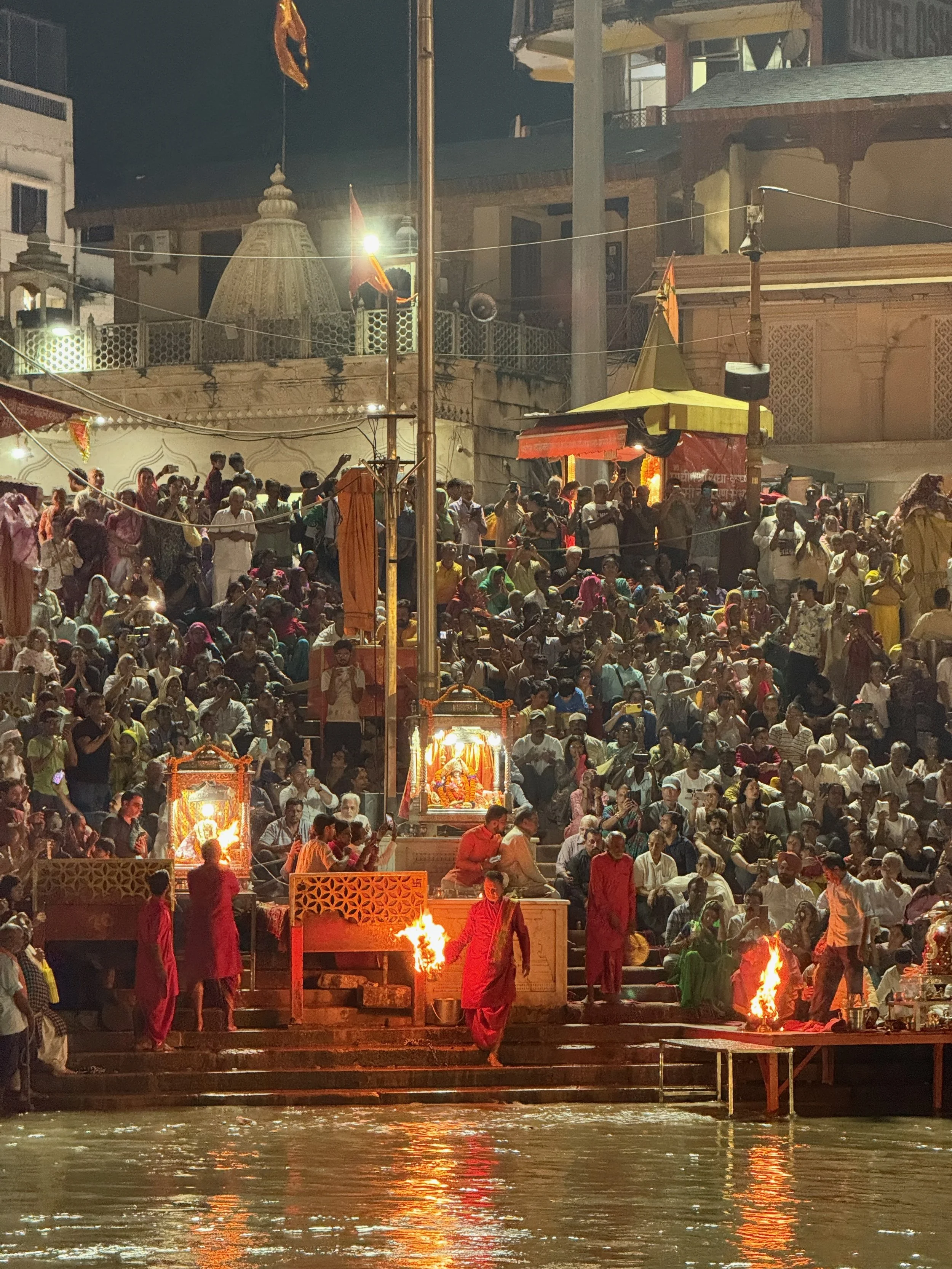
Ganga Aarti at Har Ki Pauri - absolutely spectacular
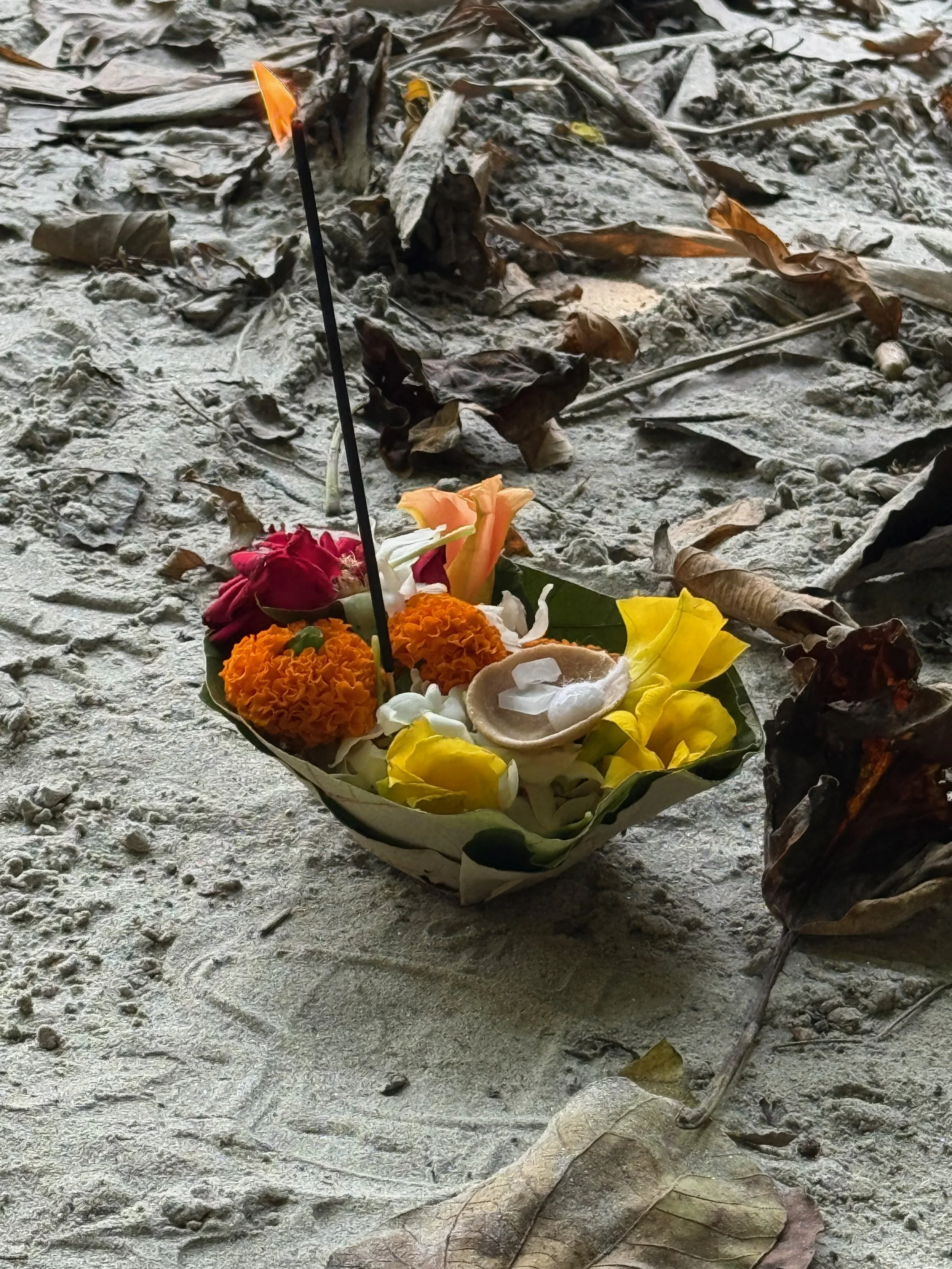
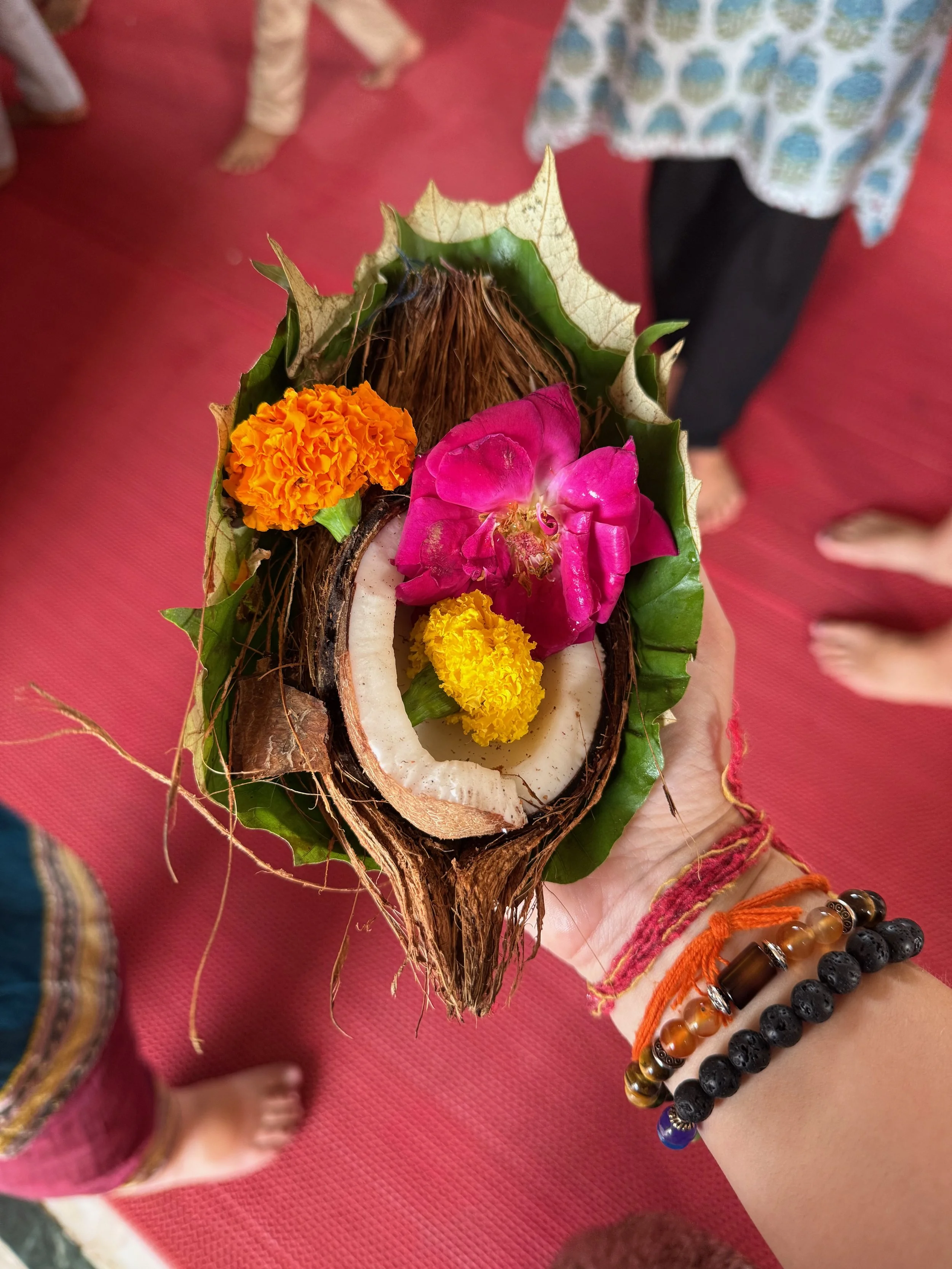
Evening Ritual: The Ganga Aarti is a devotional ceremony performed on the banks of the Ganges River every evening. It’s dedicated to Ganga Maa (Mother Ganges), expressing gratitude and reverence. Priests perform synchronized chants, hymns, and fire offerings (deepam) on large brass lamps, accompanied by bells and conch shells. Devotees participate by lighting small diyas (lamps) in the river.
🕉️ Kailash Temple & Parmarth Niketan Ashram
On one of the last days, we visited:
Kailash Temple
Tera Manzil Temple (also called Kailash Niketan Temple) is a 13‑storey Hindu temple located right by Lakshman Jhula in Rishikesh. Each floor of the temple houses shrines to different gods and goddesses, offering a diverse spiritual experience on every level. The 13th floor is dedicated to Lord Shiva, and most visitors climb all the way up for prayers and panoramic views.
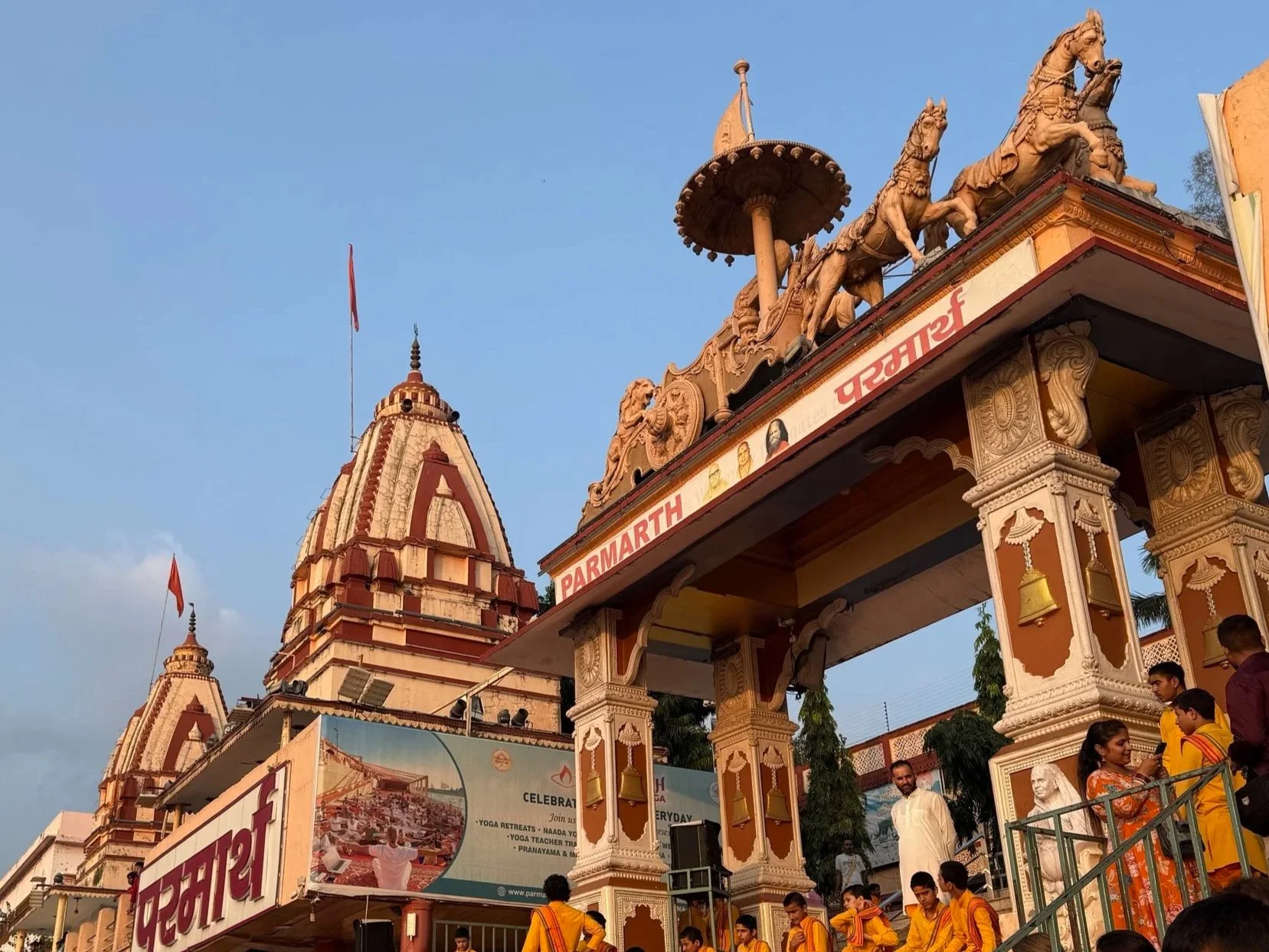
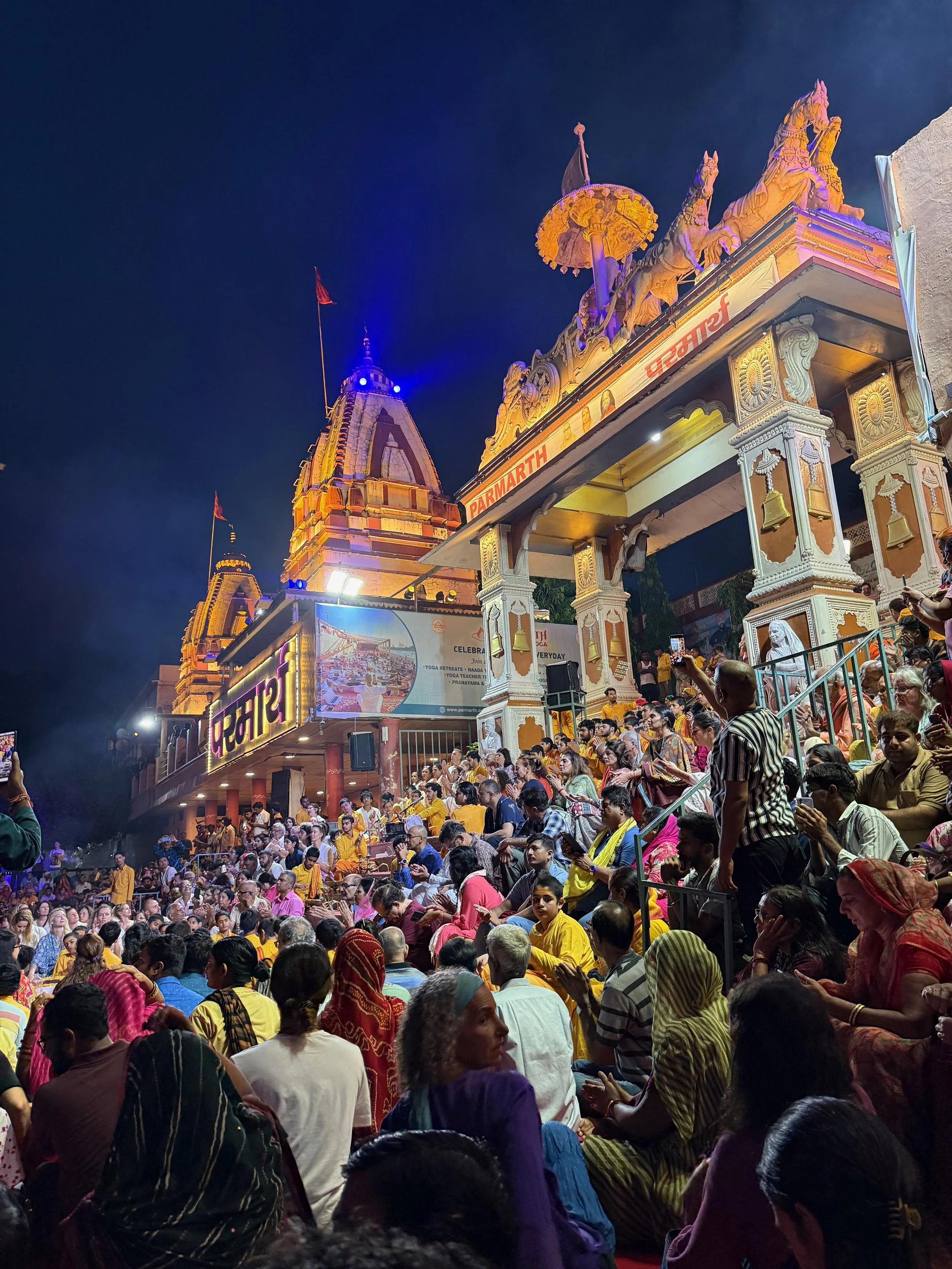
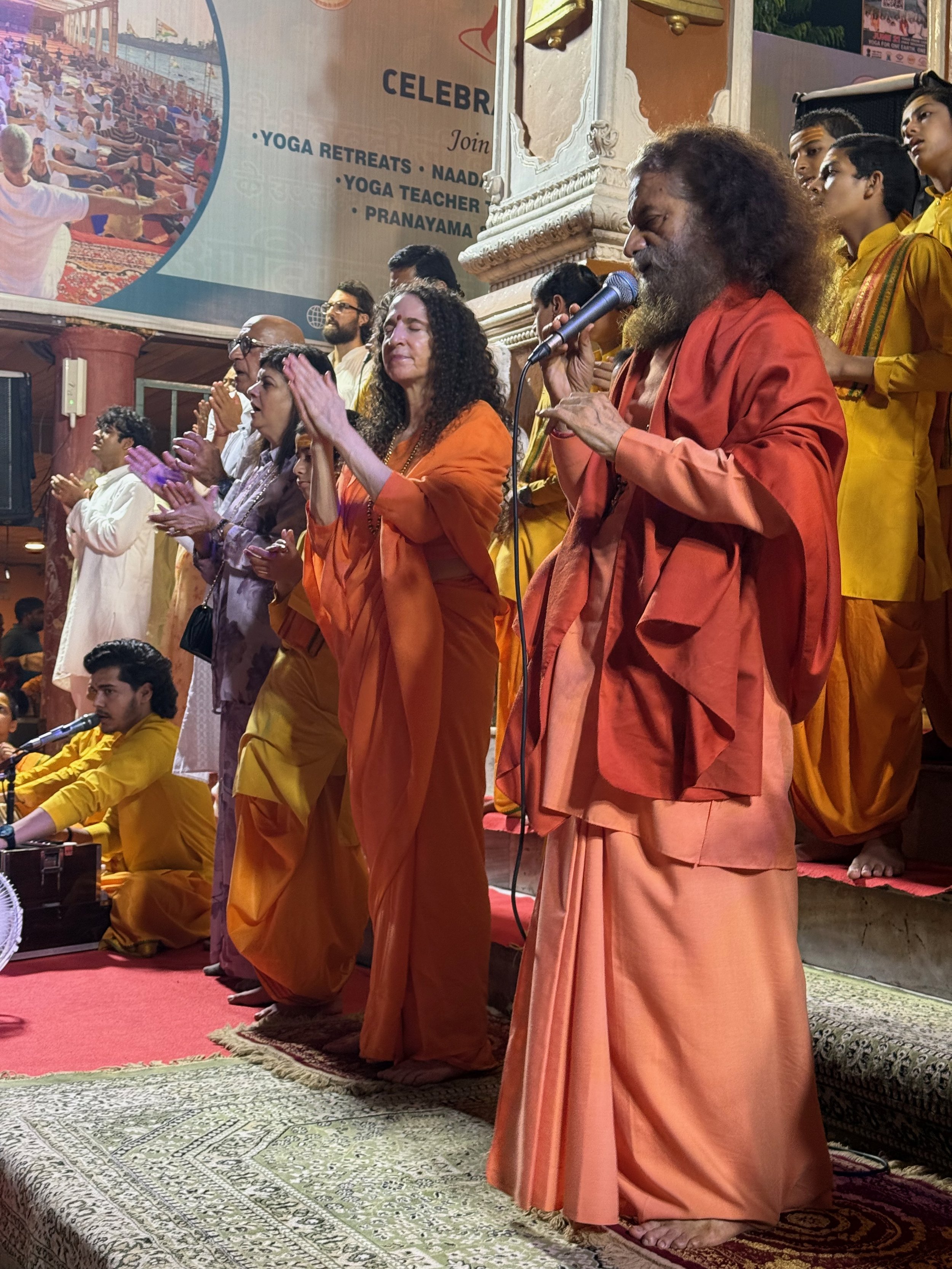
Parmarth Niketan Ashram (one of the most famous ashrams in Rishikesh)
Located on the banks of the Ganges River near Lakshman Jhula, Parmarth Niketan is one of the largest and most famous ashrams in Rishikesh. The ashram offers peaceful gardens, riverfront views, and Himalayan foothill backdrops, ideal for meditation and yoga. It hosts a highly popular and beautiful evening Ganga Aarti. We stayed for the evening ceremony, a beautiful blend of chanting, fire, and devotion by the Ganga.